How to Choose the Right HVAC Filter: Types, Ratings, and Tips
When you walk into your living room and take a breath, you probably don’t think about the invisible world inside your air. But if your HVAC filter isn’t right for your system—or it’s overdue for a change—you might be breathing in dust, pollen, or worse. In allergy season or wildfire smoke, the stakes get even higher.
At Jewel Heating, we know that cleaner air means healthier homes and workplaces. Whether you have a cozy house or a busy office, choosing the right HVAC filter is one of the simplest ways to boost comfort, air quality, and even efficiency. You deserve straightforward answers. Let’s clear the air, together.
Why HVAC Filters Matter: More Than Just Dust
Think of your HVAC filter as your system’s goalie. It blocks dust, pollen, pet hair, and tiny airborne invaders from clogging your equipment—or cycling back into your space. But not all filters play at the same level.
A quality filter does three things:
- Traps harmful particles so you don’t breathe them in
- Protects your heating and cooling equipment from buildup
- Helps your system run more efficiently, saving you energy and repairs
Neglect your filter, and it’s like letting the goalie nap during the big game. The result? Poor air, system strain, and surprise breakdowns—especially during those 24/7 emergency hvac moments.
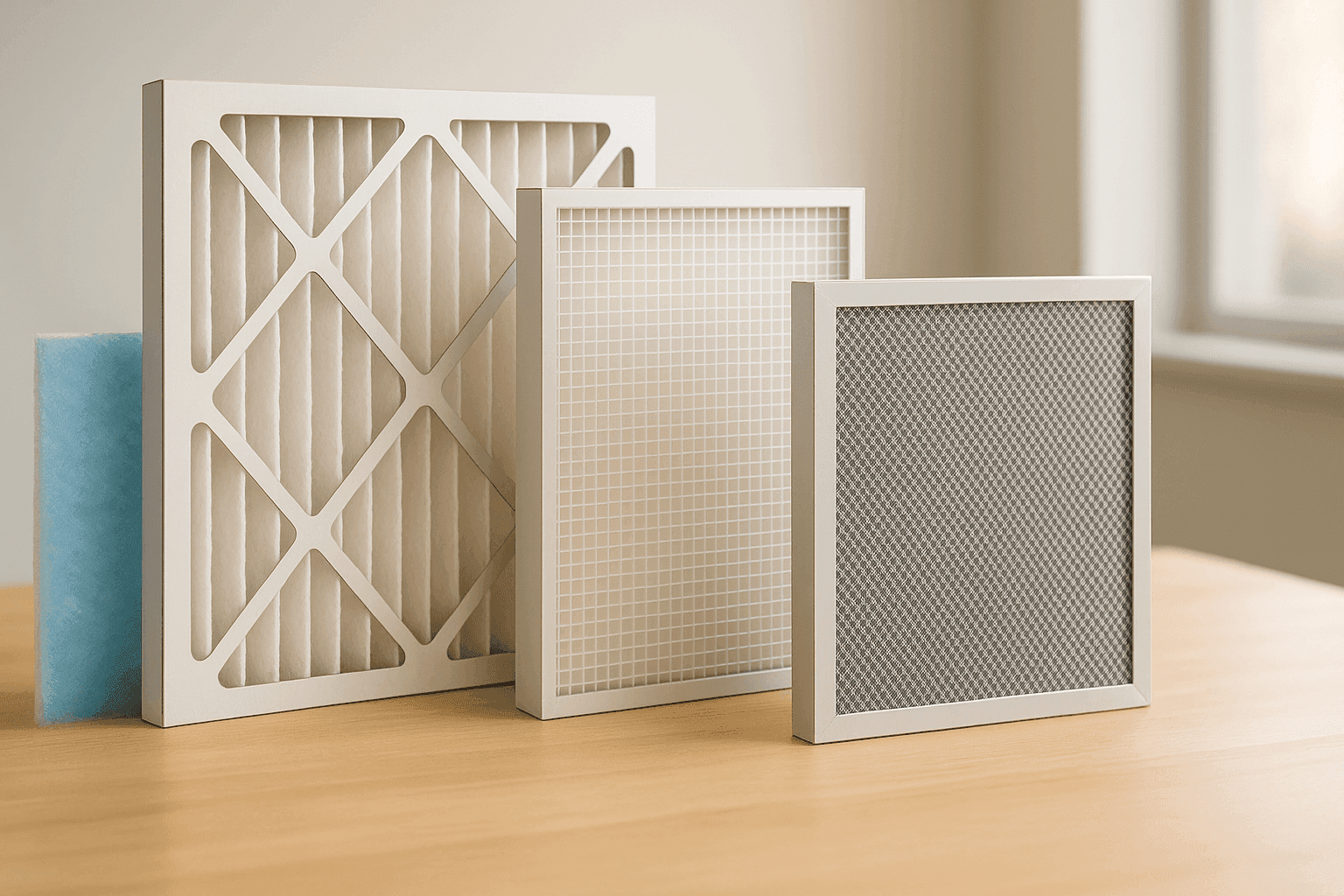
Types of HVAC Filters: What’s in the Box?
Filters aren’t one-size-fits-all. They come in several flavors, each with its own pros and cons. Here’s a breakdown:
Fiberglass
- Basic and affordable
- Good at catching large dust, lint, and debris
- Not great at capturing tiny allergens or smoke particles
Pleated
- Made from folded fabric for more surface area
- Better at trapping small particles like pollen and mold spores
- Slightly higher cost, but longer-lasting and more effective
HEPA (High-Efficiency Particulate Air)
- Removes at least 99.97% of particles down to 0.3 microns (EPA standard)
- Great for allergy and asthma sufferers
- Not always compatible with standard residential systems—can restrict airflow if not sized correctly
Electrostatic
- Use static electricity to attract particles
- Reusable versions can be washed and reused
- Good for capturing pet dander and smoke, but may need frequent cleaning
Specialty Filters
- Activated carbon: Removes odors and gases (like wildfire smoke)
- UV filters: Target bacteria and viruses (often as part of whole-house systems)
The right choice depends on your air quality needs, sensitivity, and system type. Have pets? Go for pleated or electrostatic. Live near a wildfire-prone area? Carbon or HEPA may help.
What Does MERV Mean? 🏷️
MERV stands for Minimum Efficiency Reporting Value—a rating from 1 to 20 that tells you how well a filter catches particles. Think of it as a batting average for air filters.
- MERV 1–4: Catches big stuff like carpet fibers and dust mites. Basic protection.
- MERV 5–8: Traps mold spores and dust. Good for most homes and light commercial.
- MERV 9–12: Handles pet dander, fine dust, and pollen. Recommended for allergy-prone households.
- MERV 13–16: Filters bacteria, smoke, and even some viruses. Used in hospitals and for serious air quality needs.
- MERV 17–20: HEPA level, for clean rooms and surgical suites.
But beware: higher isn’t always better. If your HVAC isn’t designed for a dense filter, you could block airflow and damage your system. The EPA and the Asthma and Allergy Foundation of America recommend checking your system’s specs before upgrading.
How Often Should You Change Your HVAC Filter?
This isn’t just a set-it-and-forget-it job. A dirty filter is like running a marathon with a stuffy nose. Here’s a guideline:
- Basic fiberglass: Every 1–2 months
- Pleated: Every 2–3 months
- HEPA or electrostatic: As recommended, often every 6–12 months (or wash monthly)
Change more often if you have:
- Pets
- Smokers in the home
- High pollen counts
- Construction or remodeling nearby
- Frequent emergency hvac runs
Pro tip: Mark your calendar, or set a phone reminder. Consistency matters.
Signs Your Filter Needs Attention 🚩
Can’t remember the last time you changed your filter? Watch for these red flags:
- Dust building up on vents or furniture
- Musty or stale odors when the HVAC runs
- A spike in allergy symptoms or coughing
- Higher energy bills without a clear reason
- Weak airflow or hot/cold spots indoors
If you spot any of these, it’s time for a filter check—stat.
How Filter Quality Affects System Performance
A clean, properly rated filter keeps your system humming. Here’s what happens when you get it right:
- Better airflow: Less strain on motors, fans, and compressors
- Lower bills: Your system doesn’t work as hard, so you save on energy
- Longer lifespan: Fewer breakdowns, especially in the middle of a heat wave or deep freeze
- Cleaner coils and ducts: Less dust means less maintenance
Neglect your filter, and you risk overheating, frozen coils, and—worst of all—emergency hvac calls at midnight.
Jewel Heating’s Filter Recommendations
After years of helping families and businesses breathe easier, here’s what the team at Jewel Heating suggests:
- For most homes with moderate dust and no major allergies: Choose a pleated filter, MERV 8–11.
- For allergy, asthma, or pets: Bump up to MERV 11–13, but check your system’s manual or ask a pro.
- For wildfire smoke or heavy pollen seasons: Consider a filter with activated carbon or true HEPA, if your system allows.
- For commercial or healthcare: MERV 13+ as required by code—ask about custom solutions.
Always check the dimensions and style your system requires. If you’re unsure, a quick call to Jewel Heating can save you hassle and risk.
Quick Safety Checklist for Changing Filters 🛠️
- Turn off your HVAC system before removing the filter.
- Wear gloves and a mask if you’re sensitive to dust.
- Check for arrows on the filter—they should point toward the blower motor.
- Dispose of used filters in a sealed bag, especially during allergy or wildfire season.
- If the filter looks damp, moldy, or damaged, call a pro for inspection.
DIY or Call a Pro for Filter Changes?
Most homeowners and business managers can handle basic filter swaps. But sometimes, a step-ladder isn’t enough:
- If your filter is hard to reach or part of a larger commercial system
- If you need help identifying the right filter type or rating
- If you suspect mold, water damage, or airflow issues
That’s when calling in a professional from Jewel Heating makes sense. We handle all sorts of systems—Radiant Heating near you, geothermal, and beyond.
What the Pros Do On Arrival
When Jewel Heating arrives for a filter or air quality service, here’s what you can expect:
- Inspect and confirm your filter’s size, type, and fit
- Check the airflow and system pressure
- Look for signs of dust buildup or leaks in ducts
- Recommend the right filter for your space, needs, and budget
- Offer tips on extending filter life and boosting air quality
No guesswork. No surprises.
Prevention & Maintenance: Keep Air and Equipment Clean
Want to make your filter last and your system sing? Try these tips:
- Vacuum around vents and returns every week
- Keep pets groomed and floors clean
- Schedule seasonal HVAC maintenance (spring and fall)
- Use high-quality filters, not bargain-basement ones
- Ask about whole-home air purifiers or air scrubbers for extra protection
A little prevention now means fewer emergencies—and fresher air all year.
Costs & Time Factors: What to Expect
Filter prices run the gamut:
- Basic fiberglass: $5–$10 per filter
- Pleated: $10–$30 per filter
- HEPA or specialty: $30–$100+
Labor for commercial or complex systems may add more. Most filter changes take 5–15 minutes for standard residential setups, longer for commercial or hard-to-reach units.
Investing in the right filter can save hundreds—maybe thousands—on emergency hvac repairs and energy costs down the road.
When It’s an Emergency: Don’t Wait
If your system shuts down, blows weak air, or you notice burning smells, don’t ignore it. A clogged filter can cause overheating or even electrical hazards.
When the air just won’t flow—or allergies spike suddenly—our 24 hour emergency hvac team is here to help. We’ll check for blockages, swap filters, and get you breathing easy again.
FAQ: Your Filter Questions Answered
Q: Can I use a HEPA filter in any HVAC system?
A: Not always. Some systems aren’t designed for the high resistance of HEPA filters. Check your manual or ask Jewel Heating before installing.
Q: How do I know which size filter to buy?
A: Look at the old filter’s frame for measurements, or check your system’s panel. Never force a filter that doesn’t fit.
Q: Are washable filters worth it?
A: They’re handy, but require regular cleaning and may not trap as many fine particles as pleated or HEPA options.
Q: Will a better filter help my allergies?
A: Yes—especially a pleated or HEPA filter with a higher MERV rating, as recommended by the Asthma and Allergy Foundation of America.
Local & Seasonal Considerations: Pollen, Smoke, and Beyond 🌲
Living in a pollen-heavy region? Filters clog up fast in spring. Wildfire smoke? Look for activated carbon or HEPA-rated filters for best protection. In humid climates, filters may need changing more often to prevent mold.
If you’re not sure what’s in your air, Jewel Heating offers IAQ (Indoor Air Quality) testing—so you can match your filter to your environment, not just the calendar.
Breathing better starts with a single step—changing your filter. For personalized advice or urgent filter swaps, Jewel Heating is here 24/7.
Call Jewel Heating now — or reach us anytime at 888-865-9429 .