Dehumidifiers vs. Humidifiers: When and Why Your Home Needs One
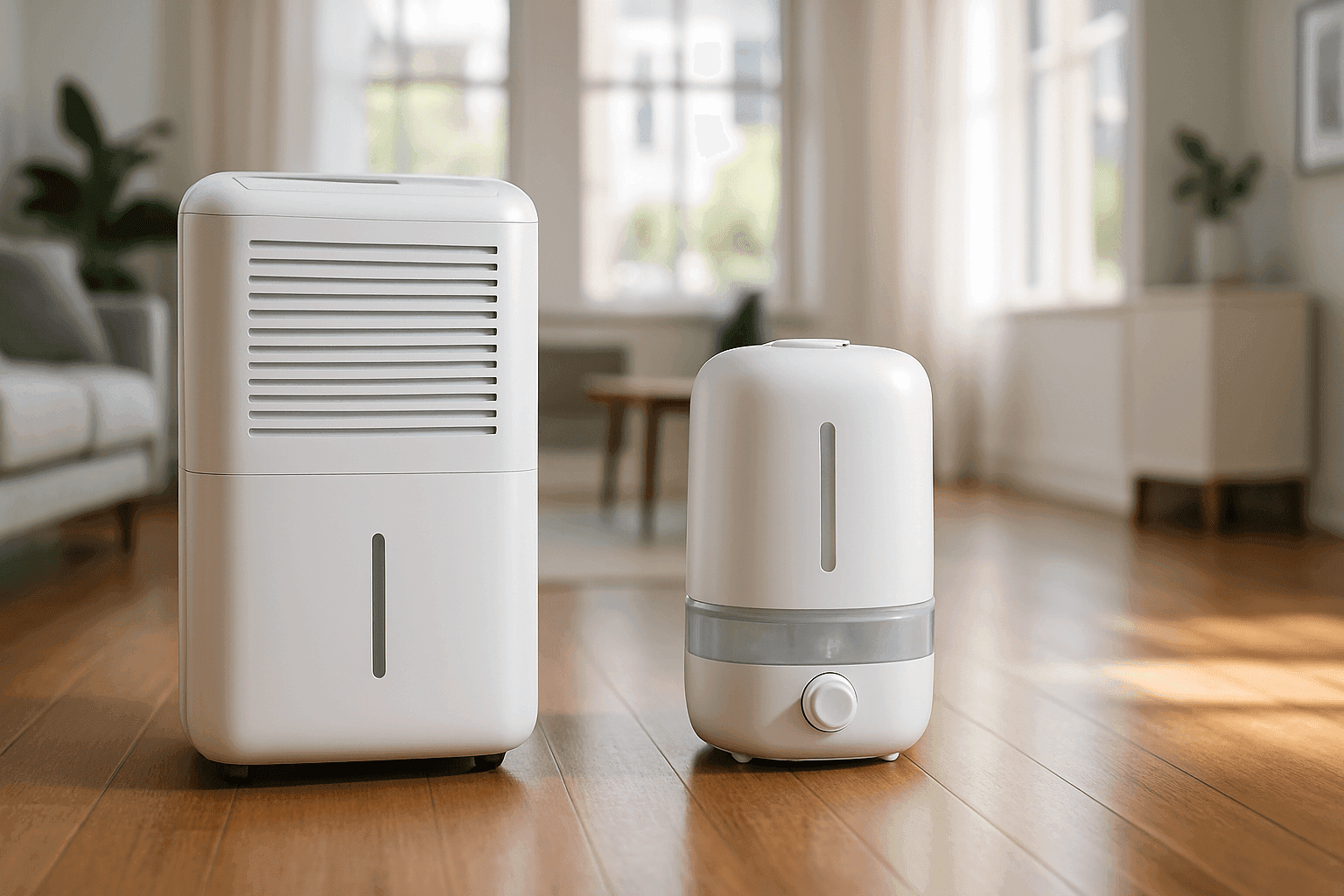
Have you ever walked into your home and instantly felt either sticky or parched? It’s not just your imagination. It’s your indoor humidity at work. Too much or too little can leave you uncomfortable—and even unhealthy. At Jewel Heating, we know how quickly those feelings can turn into emergencies, especially when the weather swings from muggy summers to bone-dry winters.
Humidity isn’t just about comfort. It’s about safeguarding your home, your health, and even your wallet. We’ll break down the differences between dehumidifiers and humidifiers, why your choice matters, and how to keep your indoor air in the sweet spot—no matter what climate throws your way.
Signs of Too Much vs. Too Little Humidity
Think of humidity like seasoning in a recipe. Just enough brings everything together. Too much or too little? The results can spoil the whole dish.
-
Too much humidity:
- Musty smells that cling to your clothes and carpets.
- Windows fogging up—even when it’s not cold out.
- Damp spots on walls, peeling paint, or even mold in the corners.
- Sticky skin and frizzy hair.
- Increased sneezing, coughing, or asthma flare-ups (per CDC and Asthma and Allergy Foundation of America).
-
Too little humidity:
- Static shocks zapping you every time you touch a doorknob.
- Dry, itchy skin or scratchy throats.
- Cracked wood floors or furniture.
- More viruses and germs floating around—since dry air lets them travel further (CDC resource).
- Nosebleeds or aggravated allergy symptoms.
The EPA recommends keeping indoor humidity between 30% and 50%. When you drift outside this range, both your comfort and your home’s structural health are at risk.
Choosing the Right Device for Your Climate 🏞️
Not all homes—or seasons—are built the same. Here’s how to know what you need:
Dehumidifiers
Great for:
- Humid climates (think sticky summers, rainy seasons, or areas near water).
- Basements, crawlspaces, or rooms with poor ventilation.
- Homes with condensation, mold, or allergy trouble.
What they do:
- Pull moisture from the air and collect it in a tank or send it down a drain.
- Prevent mold and mildew, which can trigger allergies and asthma (EPA guidance).
Humidifiers
Great for:
- Cold, dry winters (especially anywhere heating is running non-stop).
- High-altitude or desert climates.
- Rooms with cracked wood, dry plants, or people prone to nosebleeds.
What they do:
- Add moisture to the air through mist, steam, or evaporation.
- Keep skin, airways, and furniture from drying out.
Whole-House vs. Portable
- Portable units: Good for spot fixes (like a single bedroom or basement).
- Whole-house systems: Connect to your HVAC. They treat every corner, working with your heating and cooling for balanced air.
Maintenance Tips for Healthy Humidity
No one wants a gadget breeding more problems. Here’s how to keep things humming:
- Change filters regularly. Just like your furnace, both humidifiers and dehumidifiers need fresh filters.
- Clean water tanks. Standing water is a playground for bacteria and mold.
- Check settings. Use a hygrometer (humidity meter) to keep tabs. Adjust as needed—especially with changing seasons.
- Annual checkups. Have a professional inspect your whole-house systems during regular HVAC maintenance.
How Whole-House Systems Work
Whole-house humidifiers and dehumidifiers are like referees for your indoor air. They monitor humidity and adjust automatically, running quietly in the background.
- Humidifiers tap into your water line and add moisture as air passes through your ducts.
- Dehumidifiers pull damp air from the house, remove moisture, and return drier air through the vents.
Both require proper installation and tuning. If not set up right, they can waste energy or miss the mark—meaning you’re still waking up stuffy or sticky.
Quick Safety Checklist
Before setting up any device, safety comes first:
- Make sure outlets are grounded—never use extension cords with these appliances.
- Empty water tanks before they overflow.
- Keep units level and away from walls or curtains.
- Only use distilled water in humidifiers to prevent mineral buildup.
- Check for recalls or safety notices from the manufacturer or the U.S. Consumer Product Safety Commission.
DIY vs. Call a Pro
Some things you can do yourself. Some things are better left to the pros—especially when it comes to emergency hvac or whole-house installations.
DIY:
- Setting up a portable unit in a single room.
- Cleaning and changing filters.
- Monitoring humidity with a store-bought meter.
Call a Pro:
- Installing whole-house humidifiers or dehumidifiers.
- Diagnosing stubborn humidity issues (like mold you can’t see).
- Integrating with your radiant heating, furnace, or AC.
- Emergency hvac services when you spot leaks, electrical issues, or strange noises.
What Pros Do On Arrival
When a Jewel Heating technician shows up, here’s what you can expect:
- Full inspection of your home’s humidity levels with professional meters.
- Assessment of your current HVAC, radiant heating, and ventilation systems.
- Recommendations tailored to your climate and building materials.
- Safe, code-compliant installation of any new equipment.
- Tips for ongoing maintenance and energy efficiency.
Prevention & Maintenance
Like flossing your teeth, small steps go a long way:
- Use exhaust fans in kitchens and bathrooms.
- Seal leaks in ductwork and around windows.
- Schedule regular HVAC maintenance—including filters, thermostats, and air balancing.
- Run whole-house fans to keep air moving in muggy weather.
- Stay alert for seasonal changes—humidity often creeps up in spring and drops in winter.
Costs & Time Factors
- Portable units: Lower upfront cost, but only solve part of the problem.
- Whole-house systems: Higher initial investment, but better comfort, efficiency, and value long-term.
- Time: Most installations take a few hours. Emergency hvac repairs may be faster or require follow-ups—depending on access and complexity.
Factor in ongoing maintenance, too. A neglected system can cost more in repairs and wasted energy.
When It’s an Emergency 🚨
Humidity problems can spiral fast. Call for emergency hvac help if you notice:
- Sudden mold outbreaks or water leaks.
- Electrical issues or burning smells from your unit.
- Unexplained health symptoms—especially if multiple people are affected.
- Systems that won’t turn off or are leaking water.
Don’t wait. Indoor air quality impacts everyone in the building, not just those with allergies or asthma.
FAQ: Common Questions
What’s the best indoor humidity range?
The EPA and CDC recommend keeping it between 30% and 50% for health and comfort.
Can I use both a dehumidifier and a humidifier?
Yes—especially in areas with wild seasonal swings. Some homes need different solutions for different rooms or times of year.
Will a whole-house system increase my energy bills?
If sized and installed right, these systems are efficient and can save you money by protecting your home and HVAC from stress.
How do I know if my humidity problem is serious?
If you spot mold, persistent condensation, or experience ongoing health issues, don’t wait. Get a professional home energy audit or IAQ (Indoor Air Quality) test.
Local and Seasonal Considerations
Humidity isn’t one-size-fits-all. Here’s what to watch for:
- Coastal or southern climates: Summers get sticky fast. Mold and mildew can spring up in days.
- Mountain or desert regions: Winter air pulls moisture from your skin, wood, and lungs.
- Midwest or Northeast: Spring rains and winter cold can swing you from one extreme to the other in months.
Seasonal changes mean your needs may shift—sometimes even week to week. Whole-house systems with smart thermostats make it easy to adjust on the fly, wherever you are.
Ready to breathe easier, sleep better, and protect your home—no matter what Mother Nature throws at you?
Call Jewel Heating now — or reach us anytime at 888-865-9429 .