Emergency HVAC Guide: What to Do Before Help Arrives
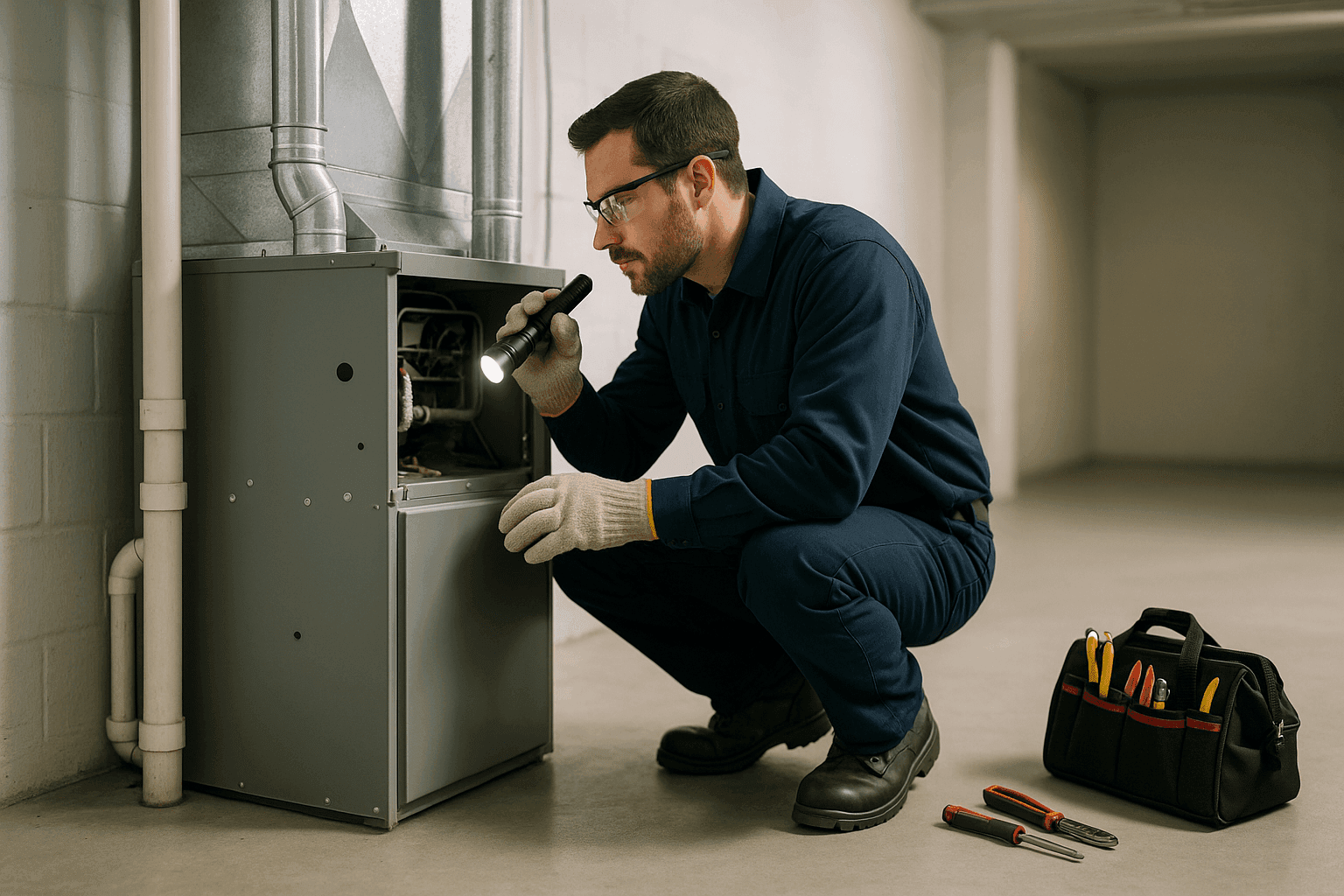
Picture this: It’s the coldest night of the year. Your furnace goes silent. Or maybe a July heat wave has your AC sputtering, and suddenly it’s dead quiet—except for your heartbeat thumping in your ears. No matter the season, HVAC failures strike fast, and never at a convenient time.
At Jewel Heating, we know exactly how stressful these moments can be. Our licensed, insured team responds around the clock. Here’s how to stay safe, protect your property, and make sure our emergency HVAC response is as effective as possible.
What Counts as a True Emergency HVAC Situation?
A rattling vent or stuffy room can be irritating, but not every HVAC hiccup is an emergency. So, what’s urgent enough to call Jewel Heating’s 24/7 line?
- No heat during a freeze: When temperatures plummet, loss of heat can quickly become dangerous—especially for kids, seniors, and pets.
- No cooling in extreme heat: Without AC in high temps, health risks rise fast.
- Gas smell: If you detect rotten-egg odor, act immediately. Gas leaks can be deadly.
- Electrical burning or smoke: Any sign of burning or sparking means shut it all down.
- Flooding or water near units: Pooled water can mean a burst pipe or failing condensate pump.
- Unusual loud noises: Banging, screeching, or grinding from your furnace or AC can signal a serious mechanical fault.
If you’re ever in doubt, it’s better to play it safe.
Quick Safety Checklist: What To Do First 🛑
When trouble hits, seconds count. Here’s a simple safety-first game plan:
- Turn off the system: Use your thermostat’s “off” setting, or the main power switch for your furnace or AC.
- Check your electrical panel: Look for tripped breakers or blown fuses. Reset if safe to do so.
- Sniff for gas: If you smell gas, don’t touch anything electrical. Evacuate and call your gas supplier and emergency services.
- Look for water: Spot any leaks or pooling? Turn off water supply if possible.
- Ventilate if safe: Open windows if there’s smoke or odd smells.
- Keep kids and pets away: Clear the area until you know it’s safe.
- Document what you see: Snap photos of error codes, leaks, or damaged parts.
These steps help you stay safe—and help our team hit the ground running.
Common Emergency Causes (And What They Look Like)
Let’s break down the usual suspects behind urgent HVAC calls:
Power Loss
Storms knock out power. Sometimes a single circuit trips. If your entire home is dark, call your utility provider. But if it’s just the HVAC, check for a tripped breaker or blown fuse.
Frozen Coils
In winter, radiant heating or furnace coils can freeze up. Ice on AC lines in summer means refrigerant or airflow problems. Don’t try to chip away the ice—shut it down and wait for help.
Gas Smells
Natural gas is odorized with mercaptan (think rotten eggs) for safety. If you smell it, get out immediately. Don’t flip switches. Don’t use your phone inside. Call for help from a safe distance.
Sudden Loud Noises
Bangs, screeches, or grinding mean mechanical parts are in trouble. Shut off the system and wait for a pro.
Water Leaks
Condensation or refrigerant leaks can soak walls, floors, and even electrical parts. Turn off the unit and mop up what you can.
Safety Do’s and Don’ts
A little caution goes a long way. Here’s what to remember:
Do:
- Turn off power before inspecting any unit.
- Keep a fire extinguisher nearby.
- Have emergency contacts handy.
- Ventilate if you smell smoke or chemicals.
Don’t:
- Never ignore a gas smell—leave immediately.
- Don’t attempt major repairs yourself.
- Don’t use extension cords for HVAC units.
- Don’t block vents or air returns.
Safety isn’t just about now—it’s about getting everyone through the emergency and ready for a fix.
DIY vs. Call a Pro: Knowing Your Limits
Some issues are safe for a quick check. Others? Best left to licensed technicians. Here’s how to tell:
Try These:
- Reset tripped breakers or GFCI outlets.
- Replace batteries in your thermostat.
- Change a clogged air filter.
- Clear visible debris from outdoor units.
Leave These To Us:
- Gas leaks or electrical burning.
- Replacing or rewiring parts.
- Refrigerant handling (it’s regulated and dangerous).
- Furnace or AC installation and duct repairs.
When in doubt, call Jewel Heating. Our licensed, insured team’s seen it all—and we’re trained for emergencies.
What Pros Do On Arrival
You’ve called for emergency HVAC help. What happens next?
- Rapid assessment: We’ll listen to your description, check your photos, and do a safety walkaround.
- Diagnostics: Licensed techs use meters, gauges, and years of experience to pinpoint the problem.
- Immediate repairs: If it’s safe and possible, we’ll make on-the-spot fixes to restore heating or cooling.
- Safety checks: We follow local codes (like International Mechanical Code and NFPA guidelines) to ensure everything’s safe before we leave.
- Clean up: We’ll leave your home or business as tidy as we found it.
Your documentation—photos, notes, error codes—helps us solve problems faster.
Prevention & Maintenance: Staying Ahead of Disaster 🔧
Emergency calls are stressful. Regular maintenance can dramatically reduce the odds you’ll ever need one.
- Schedule seasonal tune-ups: Before the first freeze or heat wave, get your system checked.
- Change filters monthly: Dirty filters strain your system, leading to breakdowns.
- Keep vents clear: Blocked airflow can overheat or freeze units.
- Test thermostats: Old or failing thermostats can cause “phantom” breakdowns.
- Invest in energy audits: Jewel Heating offers home energy audits to spot trouble before it starts.
Simple steps = fewer emergencies.
Costs & Time Factors: What To Expect
Emergencies rarely happen on a schedule. Nights, weekends, holidays—HVAC problems don’t wait.
- Service time: Most emergency visits take 1–3 hours, but complex repairs may require parts or follow-ups.
- Cost drivers: After-hours rates, severity of the issue, and parts availability all affect final cost.
- Holiday surges: Big storms or major holidays may mean longer wait times. We prioritize life-safety calls first.
No hidden fees—just honest, upfront communication.
When It’s an Emergency (And When to Evacuate) 🚨
Still not sure if it’s time to call 24/7 help—or even leave the building? Here’s your line in the sand:
- Smell of gas or burning: Evacuate now.
- Major water leak or electrical sparking: Evacuate and call emergency services.
- No heat during a deep freeze: If indoor temps fall below 55°F, seek shelter elsewhere.
- No cooling during heat waves: If anyone shows signs of heatstroke, get to a cool place.
If you’re unsure, always err on the side of caution.
Emergency HVAC FAQ
Q: What should I tell the dispatcher when I call?
A: Give your name, address, callback number, and a quick description of the problem (e.g., “No heat, furnace shows code 54, strong gas smell”).
Q: Should I try to fix anything myself?
A: Only if it’s safe (like resetting a breaker or changing a filter). Never open up electrical panels or gas lines.
Q: How do I speed up the repair?
A: Take photos of any error codes or leaks. Clear access to your HVAC units. Have your system’s model/serial number handy.
Q: Can you fix my system during a storm?
A: We respond 24/7, but severe weather may delay arrival until it’s safe for our team.
Local & Seasonal Considerations: Storms, Freezes, and Holiday Rushes ❄️
In our region, storms and deep freezes can hit hard. HVAC emergencies spike after blizzards, ice storms, or heat waves—especially around holidays when family and guests strain your systems.
- After a storm: Inspect outdoor units for debris, snow, or flood damage.
- Before a freeze: Schedule heating maintenance and check generator readiness.
- During holiday surges: Book non-emergency HVAC maintenance early to avoid the rush.
Remember: Jewel Heating is always ready—rain, snow, or shine.
When the unexpected happens, you don’t have to face it alone. Stay safe, document the issue, and let our skilled, licensed team handle the rest. For 24/7 emergency HVAC, Radiant Heating near you, or urgent furnace repair, we’re just a call away.
Call Jewel Heating now — or reach us anytime at 888-865-9429 .