Furnace Installation Cost Breakdown: What to Expect in 2024
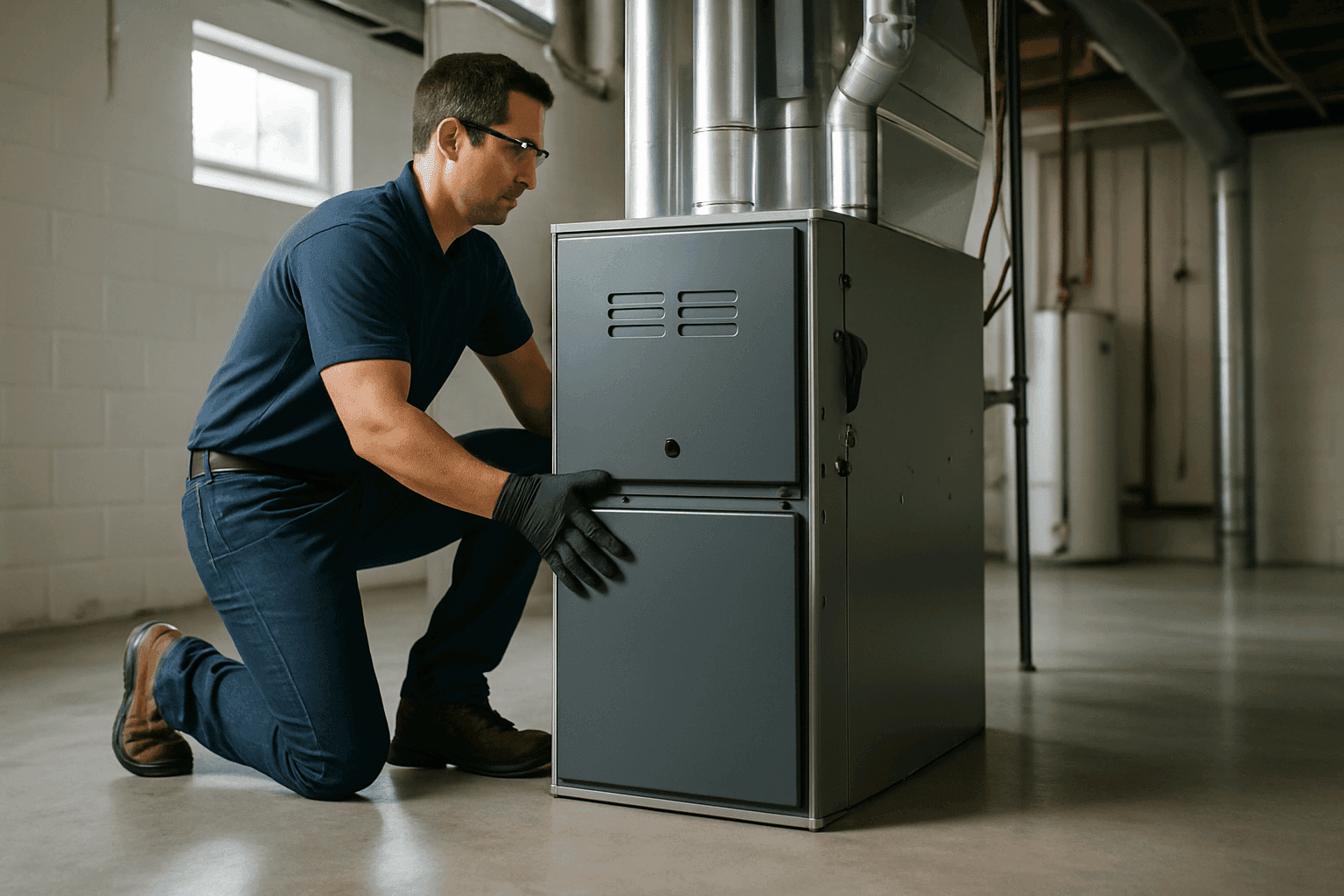
Is your home or business shivering, even with the thermostat cranked up? If your furnace is on its last legs, installation costs may feel like a maze of numbers and fine print. We get it—no one likes surprise charges, and everyone wants to know what’s actually included before signing on the dotted line.
At Jewel Heating, we believe in transparency. Whether you need emergency hvac help at midnight or a planned upgrade to radiant heating near you, understanding the breakdown of furnace installation costs in 2024 puts you in control.
The Real Scenario: Why Furnace Installation Costs What It Does
Imagine your HVAC system as the heart of your building—it keeps everything running smoothly. But installing a new furnace isn’t just swapping out a box. It’s a dance of equipment, labor, permits, and, sometimes, ductwork gymnastics.
Every job is unique. Residential systems tend to be smaller, but commercial spaces may have bigger demands and more complex regulations. Add in the swings of energy prices, shifting codes, and the wild card of local rebates, and the total can change fast.
Let’s break down exactly where your money goes—and how to avoid those “Wait, what’s this charge?” moments.
Quick Safety Checklist Before You Start 🦺
- Have you checked your carbon monoxide detectors?
- Is your breaker panel labeled and accessible?
- Are all vents and returns clear of obstructions?
- Do you know the age of your current furnace?
- Have you reviewed local building codes? (Refer to the International Residential Code or your state’s mechanical code.)
- Has your existing system been professionally shut down and depressurized?
Taking these precautions helps keep your household, your workers, and your HVAC pros safe from start to finish.
Equipment Costs vs. Labor: The Two Big Slices
The price of a furnace installation splits into two main categories: equipment and labor.
Equipment
- Furnace unit itself: Prices swing widely. Expect $2,000–$7,000 for most residential needs, or $5,000–$15,000+ for commercial-grade or high-efficiency models in 2024.
- Type matters: Gas, electric, oil, and geothermal systems all have different sticker prices and installation requirements.
- Add-ons: New thermostats, HEPA filters, humidifiers, or air scrubbers can boost comfort and air quality—but also add to the bottom line.
Labor
- Standard installation: For a straightforward swap, labor may run $1,500–$3,000 residential; $3,000–$8,000 for larger or more complex commercial sites.
- Complexity surcharge: If your space needs custom sheet metal work, tight crawlspaces, or after-hours emergency hvac service, labor costs increase.
- Specialty skills: Installing radiant heating, whole-house fans, or integrating smart controls takes extra know-how. And that’s reflected in the bid.
Ductwork Modifications: The Hidden Wild Card
Picture your ductwork as the highways in your building. If they’re rusted, leaky, or the wrong size, your new furnace can’t deliver comfort efficiently.
- Minor tweaks: Sealing or cleaning ducts might add $300–$1,000.
- Major overhauls: Full duct replacement or rerouting can exceed $5,000, especially in older homes or commercial renovations.
- Air balancing: Ensures every room gets the right amount of heat—often overlooked, but crucial for comfort and efficiency.
Skipping ductwork fixes is like putting new tires on a car with a bent frame. It just won’t run right.
Permits & Code Compliance: Don’t Skip This Step 📝
Every legitimate furnace installation needs proper permits. Local codes exist for a reason: safety.
- Permit fees: Typically range from $100–$600, depending on your municipality.
- Inspection costs: Some areas require multiple inspections—budget another $100–$300 if not included in your permit.
- Documentation: Reputable pros provide all paperwork and walk you through the process.
Check your city or county’s building department (or review the National Fire Protection Association’s codebook) to stay on the right side of the law.
Energy Efficiency Upgrades: Short-Term Spend, Long-Term Gain 💡
Want to future-proof your investment? High-efficiency furnaces, programmable thermostats, and zone controls may cost more upfront—but can dramatically lower your energy bills.
- High-efficiency furnaces (AFUE 95%+): $4,000–$9,000 installed.
- Smart thermostats: $200–$400 with setup.
- Energy audits: $200–$600, often recouped through improved system performance.
Rebates and incentives may be available from your utility provider or state. The Database of State Incentives for Renewables & Efficiency (DSIRE) is a good resource for current offers.
Average Price Ranges: Gas, Electric, Oil, and Geothermal
Here’s what most homeowners and businesses can expect for a basic furnace swap in 2024:
- Gas furnaces: $3,000–$8,000 (residential); $7,000–$18,000 (commercial)
- Electric furnaces: $2,500–$6,000 (residential); $6,000–$15,000 (commercial)
- Oil furnaces: $4,000–$9,000 (residential); $8,000–$20,000 (commercial)
- Geothermal systems: $15,000–$40,000+ (mostly commercial or high-end residential)
Remember, these are averages. Your property’s age, square footage, and climate zone all play major roles.
What’s Included in a Professional Install vs. DIY Risks 🛑
A professional installation by Jewel Heating typically includes:
- Removal and safe disposal of your old furnace
- Installation and calibration of the new unit
- Ductwork inspection and minor adjustments
- System testing and commissioning
- Permit handling and code compliance
- Walkthrough of new controls and maintenance basics
DIY Pitfalls
Tempted to save by going it alone? Here’s what DIY often leaves out:
- Warranty protection (most manufacturers require pro installation)
- Proper gas, electrical, and venting connections
- Code compliance (and avoiding fines)
- Accurate air balancing and safety checks
A furnace is not a toaster. Cutting corners can risk your property and your health.
Local Nuances: Regional Price Swings & Seasonal Incentives
Furnace installation costs aren’t the same everywhere. Here’s why:
- Labor rates: Urban areas often have higher hourly rates than rural communities.
- Climate: Colder regions may need larger (or dual-stage) systems.
- Local incentives: Some states or utilities offer rebates for high-efficiency upgrades or radiant heating near you.
- Time of year: Emergency hvac calls during a deep freeze may cost more than a scheduled spring install.
Always ask about current rebates, off-season discounts, or special programs for seniors, veterans, or commercial properties.
When It’s an Emergency: What to Expect from 24/7 Service 🚨
Sometimes, you can’t wait. If your furnace fails during a cold snap or after-hours, emergency hvac service is available.
- Rapid response: Technicians arrive with diagnostic tools, parts, and a clear plan.
- Overtime rates: Expect an additional 15–30% on top of standard labor for nights, weekends, or holidays.
- Transparent quotes: At Jewel Heating, you get a detailed breakdown—no “gotcha” fees.
Being prepared with your system info and clear access to your furnace helps speed things up.
Furnace Installation FAQs
How long does installation take?
Most residential furnace swaps take 1–2 days. Major ductwork, commercial jobs, or specialty systems can extend this to several days.
Can I use my old thermostat with a new furnace?
Sometimes. But new systems often work best with modern, programmable thermostats for peak efficiency.
Will I need to leave my home or business during install?
Usually not. Noise and dust can be minimized, and power/gas interruptions are brief. For complex projects, your installer will advise.
How do I maintain my new furnace?
Change filters regularly, schedule annual maintenance, and keep vents clear. Check your owner’s manual for specific tips.
Practical Tips for a Smooth Installation
- Get 2–3 written estimates from licensed contractors.
- Ask for an itemized bid—equipment, labor, permits, extras.
- Verify insurance, licenses, and references.
- Discuss possible surprises (like hidden duct damage) up front.
- Keep all documentation for warranty and tax purposes.
Your Next Step: No Surprises, Just Clarity
A new furnace is a big investment, but understanding the costs should never feel mysterious. Jewel Heating aims for clear communication in every quote—whether you need radiant heating near you, emergency hvac help, or a simple upgrade.
Call Jewel Heating now — or reach us anytime at 888-865-9429 .