Furnace Repair Safety: Signs, Risks, and When to Call a Pro
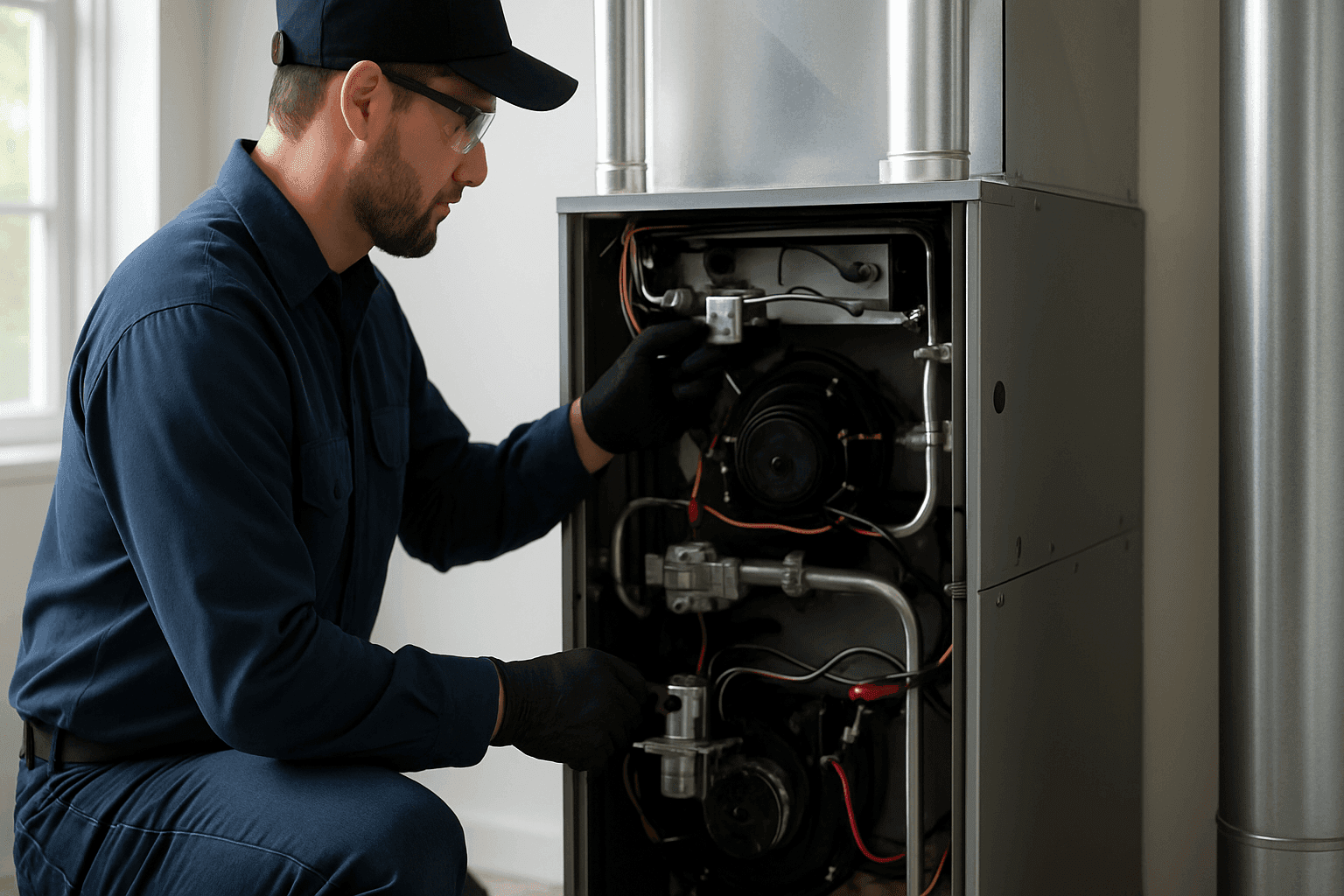
Is your furnace acting up when you need it most? That sinking feeling when the heat cuts out on a freezing night isn’t just uncomfortable—it can be dangerous. At Jewel Heating, we know furnace emergencies can strike anyone, any time. Your family’s safety comes first.
We’re here to help you spot danger signs, understand the real risks, and know exactly when it’s time to call for emergency HVAC help. Read on to keep your home or business safe and warm, no matter the weather.
Top Furnace Danger Signs 🚨
Think of your furnace like the heart of your home’s comfort. When it stutters, warning signs show up—sometimes quietly, sometimes with a bang. Knowing what to look (and sniff) for can make all the difference.
Red flag symptoms:
- Gas smells: If you catch a rotten egg or sulfur scent, act immediately. Natural gas is odorless, but utility companies add a scent so leaks are detectable.
- Carbon monoxide (CO) alarms: If your CO detector goes off or you feel dizzy, nauseated, or drowsy, get outside fast.
- Pilot light out or yellow: A blue pilot is healthy. Yellow or orange flames mean trouble—possible incomplete combustion or even a leak.
- Strange noises: Banging, rattling, or grinding isn’t just “old furnace” talk. It could signal dangerous mechanical failure.
- Electrical issues: Flickering lights when the furnace kicks in? Breakers tripping? These are electrical warning bells.
- Burning smells: Dust burning off is normal the first time each season, but ongoing burning or melting plastic odors spell trouble.
- Repeated cycling: If your unit turns on and off rapidly, something’s wrong—possibly an overheat or airflow issue.
Some problems are like a leaky faucet—annoying, but not urgent. Others, like a gas leak, are more like a broken dam. Never ignore the difference.
Quick Safety Checklist: What To Do Right Now
When in doubt, don’t panic. Take these steps to protect everyone in your building:
- Smell gas? Leave immediately. Don’t use light switches, phones, or anything that could spark. Once outside, call 911 and your gas utility.
- CO alarm sounding? Evacuate all people and pets. Fresh air first, then call emergency HVAC help and the fire department.
- Pilot out? Turn off the furnace at the power switch and gas valve if safe.
- Electrical trouble? Shut off the main breaker if you can do so safely before calling for help.
- Unusual noises/smells? Power down the furnace and ventilate the area.
Remember: Your safety matters more than the equipment. Always err on the side of caution.
DIY vs. Call a Pro: Know Your Limits
It’s tempting to grab a wrench or Google a fix. But furnaces aren’t like clogged sinks—they’re more like wild animals in a cage. Sometimes, you just shouldn’t reach in.
What’s usually safe for homeowners:
- Replacing thermostat batteries.
- Changing or cleaning air filters monthly.
- Checking if the circuit breaker tripped.
Jobs that should always be left to the pros:
- Anything involving gas lines or valves.
- Repairing electrical wiring or control boards.
- Diagnosing or replacing the heat exchanger.
- Addressing carbon monoxide issues or alarms.
The National Fire Protection Association (NFPA) and local fire departments urge homeowners: “If you suspect a furnace problem that involves gas, fire, or electrical hazards, always call a licensed emergency HVAC technician.”
What Pros Do On Arrival
When you call Jewel Heating for an emergency HVAC issue, here’s what happens:
- Assessment: We inspect for gas leaks, carbon monoxide, electrical faults, and hidden dangers using calibrated instruments.
- System isolation: If there’s a risk, we safely shut down and isolate the furnace before repair.
- Immediate repairs: We address critical safety issues first—like leaks or electrical shorts—to prevent fire or poisoning.
- Testing: After repairs, we test the system for safe operation, including airflow, venting, and combustion.
- Advice: You get clear, honest feedback on what caused the issue, and tips to prevent a repeat.
Our team follows standards from the Air Conditioning Contractors of America (ACCA), state fire codes, and manufacturer safety guidelines on every call.
Prevention & Maintenance: Stay Ahead of Trouble
Think of furnace maintenance like brushing your teeth—not exciting, but essential for avoiding pain later.
- Schedule yearly professional inspections. Early fall is best, before the first big cold snap.
- Replace filters monthly (or as recommended).
- Keep vents and air returns clear of furniture and dust.
- Install and maintain CO detectors on every floor, especially near bedrooms.
- Ask about air balancing, indoor air quality, and duct cleaning to reduce hidden hazards.
Regular maintenance can prevent most emergencies. Plus, it helps your furnace last longer and run more efficiently.
Costs & Time Factors
Emergency HVAC repairs can range from a quick fix to a longer, more involved process. Here’s what influences the time and price:
- Severity: Gas leaks and electrical issues take priority and may require utility involvement.
- Parts availability: Some fixes are quick; others require parts that must be sourced.
- System age and type: Older furnaces or complex radiant heating systems may take longer to diagnose.
- Time of service: After-hours emergency calls (like during a winter storm) can impact timing.
A typical emergency visit often takes 1–3 hours, but major repairs or replacements may take longer.
When It’s an Emergency
Some furnace problems can wait until morning. Others can’t. Call for emergency HVAC help immediately if:
- You smell gas or see evidence of a leak.
- A carbon monoxide alarm sounds or you experience symptoms.
- There’s visible smoke, scorching, or burning smells.
- The furnace won’t shut off or is overheating.
- You lose heat during a winter storm or power outage, risking frozen pipes or unsafe indoor temps.
Don’t wait for “just one more hour.” Safety comes first.
FAQ: Furnace Repair Safety
Q: What should I do if my furnace stops during a snowstorm?
A: Bundle up, close off unneeded rooms, and call for emergency HVAC help. Never use ovens or grills for heat.
Q: How often should I check for CO leaks?
A: Test your CO detectors monthly, and have a pro check your furnace and venting yearly.
Q: Is it safe to relight my pilot?
A: Only if you’re sure there’s no gas leak and you know the correct procedure. When in doubt, wait for a pro.
Q: What’s the risk of DIY furnace repair?
A: Electric shock, gas leaks, carbon monoxide poisoning, and fire. The risks far outweigh the savings.
Local & Seasonal Considerations
Winter storms and outages can turn a minor furnace issue into a crisis. Freezing pipes, unsafe indoor air, and carbon monoxide risks rise sharply during extreme weather. If you’re in an area prone to blizzards, ice, or power loss, make sure you have:
- Emergency numbers on hand.
- Backup heat plans (like a maintained generator).
- Yearly HVAC inspections—especially before cold weather hits.
Whether you’re a homeowner or manage a commercial property, acting fast can make all the difference.
When it comes to furnace safety, don’t gamble. If you spot danger signs or feel unsure, trust your instincts and get help right away.
Call Jewel Heating now — or reach us anytime at 888-865-9429 .