Generator Installation for Homes: Backup Power for Every Season
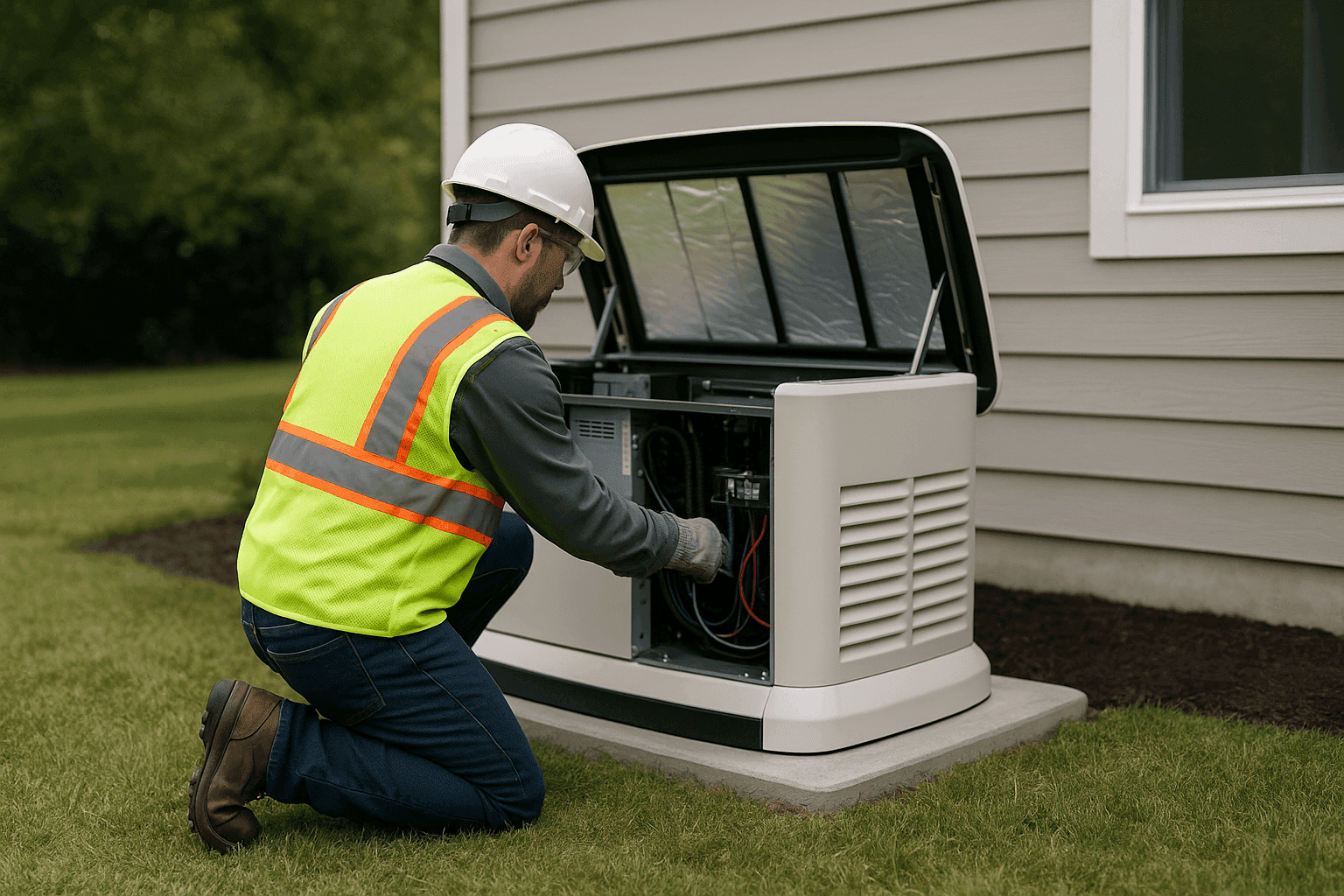
Power outages never seem to happen when it’s convenient. The lights flicker, the fridge hums to a stop, and you’re left wondering if your heating or AC will make it through the night. Whether it’s a winter whiteout or summer storm, losing electricity can feel like someone pulled the rug out from under your whole home.
At Jewel Heating, we know that backup power isn’t a luxury. It’s peace of mind. And with certified emergency hvac teams and seasoned generator installers on-call 24/7, we help families and businesses stay safe and comfortable—no matter what the weather has in store.
Why Backup Generators Matter
Imagine your house as a living, breathing organism. When the heart (your power supply) skips a beat, everything else stumbles. Heating, cooling, refrigerators, medical equipment—these systems keep your home healthy and comfortable. A backup generator is like a reliable friend who shows up when things get tough, keeping your world running until the main power returns.
Power outages can happen for many reasons:
- Downed lines from storms or hurricanes
- Ice buildup in frigid winters
- Grid overloads during heatwaves
- Scheduled maintenance or unexpected accidents
No one can predict the next blackout. But you can control how prepared you are.
Types of Home Generators 🔋
Choosing the right generator is like picking the right running shoes for a marathon. The fit, size, and features matter. Here’s what you need to know:
Portable Generators
- Mobility: Easy to move where you need power. Good for short outages or powering select appliances.
- Connection: Typically plugged in outside, then connected to your essentials (like a fridge or heater) with extension cords.
- Fuel: Most run on gasoline or propane.
- Limitations: Lower wattage. Manual start. Must be operated outdoors.
Standby Generators
- Automatic: Permanently installed outside your home. Turns on within seconds of a power loss.
- Capacity: Can power the whole house or specific circuits.
- Fuel: Usually connected to your home’s natural gas or propane line.
- Convenience: No dragging cords, no manual starts. Peace of mind for longer outages.
Inverter Generators
- Efficiency: More fuel-efficient and quieter than traditional portables.
- Best for: Sensitive electronics or smaller power needs.
No matter which type you choose, installation and maintenance should always follow manufacturer and local code guidelines. The National Electrical Code (NEC) and local building codes help ensure safety and reliability.
How to Calculate Your Generator Load ⚡
Sizing a generator isn’t guesswork. Too small, and you’re left in the dark. Too big, and you’re wasting money and fuel. Here’s a quick way to estimate what you need:
- List Your Essentials: Refrigerator, furnace, sump pump, lights, AC, medical equipment, etc.
- Check Wattage: Find the running and starting wattage for each item (labels, manuals, or manufacturer websites help).
- Add It Up: Total your running wattage. Add the highest starting wattage (some appliances draw more power to start).
- Include Growth: Add a little extra for future needs.
Example:
- Furnace: 1,500W
- Fridge: 600W (starting: 1,200W)
- Sump pump: 1,000W
- Lights: 400W
- Wi-Fi/TV: 200W
Total running: ~3,700W
Highest start: 1,200W (fridge)
So, a 5,000–7,000 watt generator covers the basics for most homes. For larger homes or businesses, or to run radiant heating near you, a professional load calculation is best.
The Generator Installation Process
A safe installation is like building a sturdy bridge—you need a solid foundation and the right connections.
Step-by-Step at a Glance
- Site Assessment: Choose a safe outdoor location with proper clearance (NEC recommends at least 5 feet from windows/doors).
- Permitting: Secure local permits and follow city/county guidelines.
- Pad Installation: Concrete or composite pads ensure stability.
- Electrical Connections: Certified electricians connect the generator to your home’s main panel with a transfer switch.
- Fuel Hookup: Connect to natural gas or propane by a licensed plumber or gas fitter.
- Testing: Test all circuits, automatic start, and transfer switch.
- Final Inspection: Local authorities inspect for code compliance.
Always use certified professionals. Proper installation protects your warranty and keeps your insurance valid.
Quick Safety Checklist 🛑
- Never run a portable generator indoors or in a garage—carbon monoxide is deadly.
- Use heavy-duty, outdoor-rated cords.
- Keep generators dry and shielded from rain or snow.
- Install carbon monoxide detectors in your home.
- Test your transfer switch regularly.
- Follow the manufacturer’s maintenance schedule.
For official safety guidelines, see resources like the Electrical Safety Foundation International (ESFI) and your local fire department.
DIY vs. Calling a Pro
Some home projects invite a little weekend warrior spirit. Generator installation isn’t one of them. Here’s why:
DIY Risks
- Electrical shock or fire: Mistakes can be fatal.
- Code violations: May void insurance or warranties.
- Fuel leaks: Dangerous and costly.
Why Hire a Certified Installer
- Peace of mind: Jewel Heating’s team is licensed, insured, and up-to-date on all safety codes.
- Warranty protection: Most manufacturers require professional installation.
- Emergency hvac integration: We ensure your generator works seamlessly with your heating, cooling, and vital appliances.
What Our Pros Do On Arrival
When you call Jewel Heating, here’s what to expect:
- Assessment: Our certified installer reviews your home’s needs, planned circuits, and fuel source.
- Custom Sizing: We calculate your load to prevent overloads or undersizing.
- Permitting & Planning: We handle the paperwork and coordinate inspections.
- Safe Installation: Our crew installs, connects, and tests everything—no shortcuts.
- Training: We'll walk you through the basics: how to operate, test, and maintain your new generator.
Prevention & Maintenance
A generator is only as reliable as its upkeep. Here’s how to keep yours ready for action:
- Monthly Test Runs: Start your generator at least once a month.
- Change Oil & Filters: Follow the manufacturer’s maintenance schedule.
- Clear Debris: Keep the area around your generator clean.
- Annual Service: Book a professional inspection, especially before storm season.
- Fuel Checks: For portable models, swap out old fuel and use stabilizers.
Neglecting maintenance is like letting your spare tire go flat. It’s too late when you need it most.
Costs & Time Factors
How much does it all cost? It’s a bit like asking, “How much is a car?” The answer depends on your needs, home size, and local labor rates.
- Portable generator: $500–$2,500 (plus extension cords, manual transfer switch)
- Standby generator: $3,000–$10,000+ (includes installation, transfer switch, pad, permits)
- Time to install: 1 day for portables, 1–3 days for standby units (including permitting and inspections)
Remember: investing in backup power also protects your food, comfort, and safety during extended outages.
When It’s an Emergency
If you’ve lost power and need backup fast:
- Stay safe: Unplug sensitive electronics to avoid surges.
- Use flashlights (not candles): Reduce fire risk.
- Call Jewel Heating: Our 24/7 emergency hvac team can help assess, deliver, or install generators in critical situations.
- Check on neighbors: Especially the elderly or those with medical needs.
FAQ: Generator Installation
How long does a standby generator last?
With regular maintenance, expect 10–20 years of reliable service.
Can I power my whole house?
Yes—with the right size and installation. Most homeowners choose to cover essentials (heating, refrigerator, sump pump, a few outlets).
What about noise?
Modern standby generators are quieter than you think—often no louder than a central AC unit.
Is a transfer switch necessary?
Absolutely. It prevents backfeeding (which can endanger utility workers) and makes switching from grid to generator seamless and safe.
Local & Seasonal Disaster Prep 🌀
Certain regions face higher risks—hurricanes in the southeast, tornadoes in the plains, ice storms up north. Preparation is your best shield.
- Storm Season: Schedule generator maintenance before hurricane or storm season hits.
- Winter: Test your system before the first freeze. Keep fuel lines clear and dry.
- Flood Zones: Install generators above flood level and use weatherproof covers.
- Fire Risk Areas: Clear brush and debris around outdoor units.
Pro tip: Home energy audits from Jewel Heating can identify weak points in your preparedness plan, from insulation to ventilation and indoor air quality.
Stay Safe, Stay Comfortable—Year-Round
Don’t let the next outage catch you in the dark. Jewel Heating’s certified team brings years of experience, quality workmanship, and reliable emergency hvac service to every home and business we serve. From radiant heating near you to generator installation and maintenance, we help keep your world running—whatever the weather brings.
Call Jewel Heating now — or reach us anytime at 888-865-9429 .