Generator Maintenance Checklist: Stay Powered Year-Round
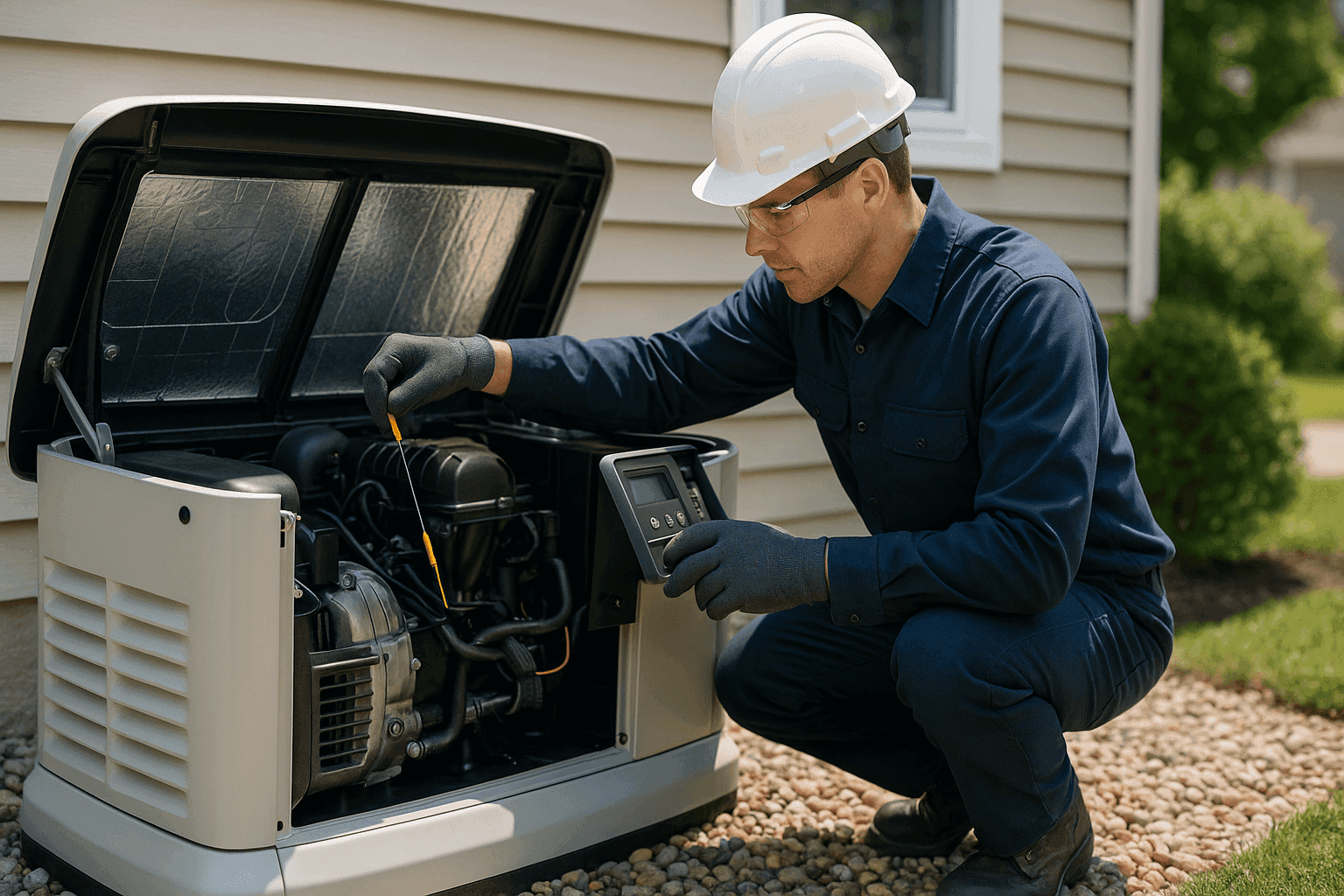
When the sky darkens and weather warnings start flashing, the last thing you want is to fumble with a dead generator. Power outages can strike without warning, turning comfort into chaos. At Jewel Heating, we see firsthand how a well-maintained generator keeps homes and businesses safe, warm, and connected—even in the wildest storms.
Generators are like your safety net. But just like any net, it needs to be checked for holes before you fall. Whether you’re a homeowner or running a busy storefront, regular generator care is your best bet for peace of mind.
Before the Storm: Why Maintenance Matters
Storms don’t wait for a convenient moment. Here in regions prone to freezes, hail, or hurricane winds, outages come fast and can last for days. A neglected generator is like a forgotten umbrella—useless when you need it most.
If you rely on emergency hvac systems or medical devices at home, the stakes are even higher. For businesses, downtime means lost revenue and potential inventory spoilage. The solution? Treat your generator like you do your car: regular checks, timely repairs, and careful fuel management.
Quick Safety Checklist 🛡️
Don’t wait until thunder rattles the windows. Here’s a quick safety sweep you can do monthly, or before bad weather hits:
- Fuel: Is the tank full? Is it fresh? Old gas can gum up the works.
- Oil: Check the dipstick. Top off or change if it looks dark or gritty.
- Battery: Terminals clean? Cables tight? Weak batteries are a top cause of no-starts.
- Air Filter: Dirty filter? Swap it out for clean airflow.
- Coolant: For liquid-cooled models, verify levels and look for leaks.
- Electrical Connections: Look for loose wires or signs of corrosion.
- Test Run: Start the generator and let it run for 10–15 minutes. Listen for odd noises or vibrations.
- Transfer Switch: Make sure it operates smoothly, so your system swaps over automatically.
Always follow the manufacturer’s maintenance guide and safety tips from the Electrical Safety Foundation International (ESFI). Never perform checks with wet hands or near standing water.
Routine Service Intervals: How Often Is Enough?
Think of your generator as a loyal dog—it’ll look after you if you look after it. But how often is “enough”?
- Weekly: Quick walk-around and test run.
- Monthly: Inspect oil, filters, battery, and basic wiring.
- Every 6 Months: Change oil and filters, clean spark plugs, check fuel lines for cracks or leaks.
- Annually: Full inspection by a qualified technician. Includes load testing, voltage checks, and a deep cleaning.
If your generator runs during an extended outage, service it right after. Heavy use speeds up wear and tear.
Common Generator Problems & Their Fixes ⚡
Even with care, machines break. Here are the issues we see most at Jewel Heating:
- Won’t Start: Dead battery, old fuel, or clogged carburetor.
- Stalls After Starting: Check oil level, air filter, and fuel quality.
- Runs Rough: Dirty spark plug or water in the fuel.
- No Power Output: Tripped breaker, bad wiring, or alternator failure.
If you spot fuel leaks, smoke, or electrical burning smells, shut it down. That’s not normal.
DIY vs. When to Call in a Pro
Some chores fit in a Saturday morning. Others—like taming a wild animal—are best left to the pros.
DIY Tasks:
- Checking and topping fluids (oil, coolant)
- Battery swaps
- Basic test runs
- Replacing air filters
Call a Professional For:
- Electrical repairs or rewiring
- Fuel system overhauls
- Transfer switch installation
- Annual deep servicing
- Any time you hear knocking, see smoke, or smell gas
Remember, the National Fire Protection Association (NFPA) and local building codes require licensed technicians for major electrical work. Even if you’re handy, don’t risk it.
What Pros Do When They Arrive
When Jewel Heating’s emergency hvac techs come out, we bring more than a wrench. Here’s what a typical service visit includes:
- Full Inspection: We check every inch—fuel, oil, wiring, exhaust, and mounting bolts.
- Load & Voltage Test: Simulate a power outage to see how your generator performs under stress.
- Cleaning: Remove dust, rodent nests, and debris that can choke air intakes or cause fires.
- Software Updates: For newer models, we update firmware and test remote controls.
- Safety Review: Confirm compliance with latest NFPA codes and manufacturer specs.
- Report: Clear notes on what was done and what needs watching.
A thorough checkup now saves panic and expense later.
Prevention & Maintenance Plans
Regular checkups are like brushing your teeth—skip a few, and trouble is sure to follow.
- Sign up for preventive service: Jewel Heating offers plans that track your generator’s health, schedule regular visits, and catch problems before they turn into emergencies.
- Document your maintenance: Keep a logbook for all service, parts replaced, and test runs.
- Keep the area clear: Trim back shrubs, wipe off snow, and keep vents open for safe airflow.
- Store fuel properly: Gasoline degrades in weeks; use stabilizer or rotate fuel stock. Diesel lasts longer, but check for algae.
Ask us how our generator maintenance plans tie into your whole system—including Radiant Heating near you, HVAC repair, and indoor air quality solutions.
How Much Does Generator Maintenance Cost? ⏳
Cost and time depend on your generator’s size, age, and usage:
- DIY tasks: 15–30 minutes monthly, plus about the cost of fluids and filters.
- Pro service: 1–2 hours for a routine checkup, more if repairs are needed.
- Parts: Filters, spark plugs, and batteries are usually affordable. Transfer switches and major repairs cost more.
Think of it as insurance: a small investment now avoids big replacement bills later. And for businesses, it keeps you open when others go dark.
When It’s an Emergency
Not every generator hiccup is urgent. But call for immediate help if you notice:
- No power during an outage
- Smoke, sparks, or burning odors
- Unusual loud banging or metal-on-metal sounds
- Visible fuel leaks
- Flooding around the unit
Don’t try to restart a generator that’s showing danger signs. Safety first—always.
With 24 hour emergency service, Jewel Heating is here when you need us most. Day or night, in the dead of winter or the middle of a summer storm.
Generator Maintenance FAQ
Q: How often should I run my generator if I’m not using it?
A: Once per month for at least 10–15 minutes helps keep the battery charged and fluids circulating.
Q: Can I use any oil or fuel?
A: Always use the type recommended in your owner’s manual. Using the wrong oil or stale fuel is a top cause of breakdowns.
Q: What’s the lifespan of a backup generator?
A: With regular maintenance, most home units last 10–20 years. For commercial models, it depends on run time and care.
Q: Are there noise or placement rules?
A: Yes. Local codes and the National Electrical Code (NEC) set rules for distance from buildings, noise levels, and ventilation. Check with your city before relocating or installing a new unit.
Local & Seasonal Considerations ❄️
Living in an area with deep freezes or stormy springs? Your generator faces extra challenges:
- Cold weather: Batteries lose charge faster. Use a battery warmer if temps drop below freezing.
- Snow & ice: Keep intake and exhaust areas clear. Blocked vents can cause dangerous carbon monoxide buildup.
- Hurricane/flood zones: Elevate generators and install flood barriers.
- Dry, dusty climates: Clean filters more often. Dust can clog airways and overheat the engine.
Ask Jewel Heating about region-specific generator and emergency hvac plans—designed for the real risks you face, not just what’s in the manual.
Stay ahead of the storm. Take five minutes today to check your generator—or let us handle it with a thorough maintenance plan. Your comfort, safety, and business depend on reliable backup power.
Call Jewel Heating now — or reach us anytime at 888-865-9429 .