Geothermal HVAC Systems: Are They Worth the Investment?
If you’re tired of sky-high utility bills but worried about making the wrong move with your next HVAC upgrade, you’re not alone. Every year, homeowners and business managers across the country wonder if geothermal HVAC is the golden ticket to lower costs and reliable comfort—or just a pricey experiment.
At Jewel Heating, we’ve installed, repaired, and maintained every kind of system out there, from Radiant Heating to emergency hvac calls at 2 a.m. We know what works, and we know what lasts. Today, let’s break down the real story behind geothermal systems: the costs, the savings, and whether it’s right for you.
How Geothermal HVAC Systems Work
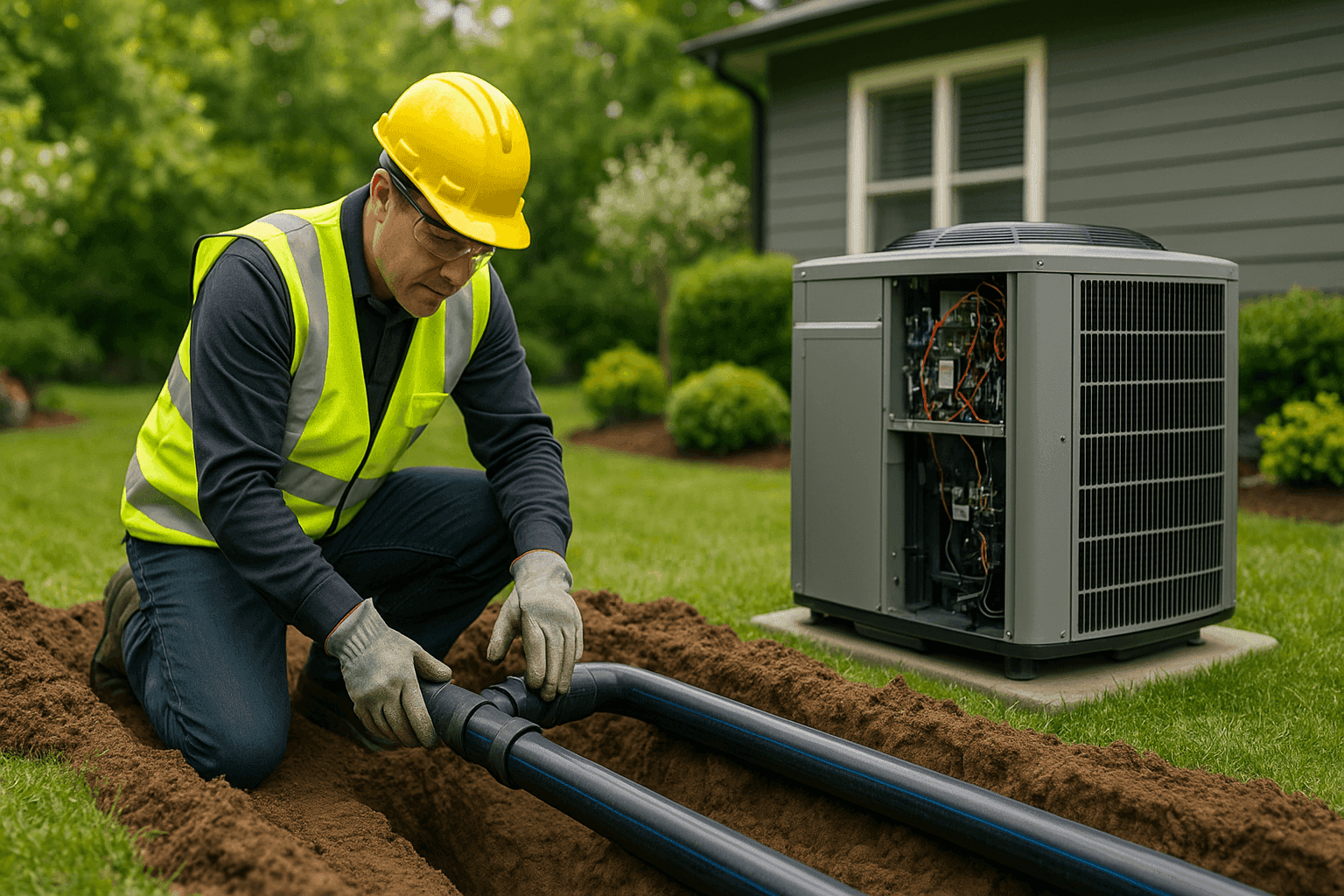
Imagine tapping into the steady temperature just a few feet underground—like plugging into the earth’s battery. That’s geothermal HVAC. Instead of burning fuel or relying on the wild swings of outdoor air, geothermal systems use a network of pipes buried in your yard (or even under your parking lot) to move heat in and out of your building.
- Winter: The earth below stays warmer than the air above. The system pulls that underground warmth inside.
- Summer: It works in reverse, sending heat from your building back into the ground.
No flames. No noisy outdoor units. Just a quiet, steady flow of comfort, 24/7.
What’s in a Geothermal System?
- Ground loop: Pipes that circulate water or antifreeze underground
- Heat pump: Sits inside, swapping heat between your building and the ground loop
- Ductwork or radiant delivery: Moves warm or cool air throughout your space
- Thermostat: Controls everything, just like any other system
Geothermal works for both homes and commercial buildings, big or small.
Upfront Costs vs. Lifetime Savings 💸
Here’s the big question: is the sticker shock worth it?
Upfront Investment
- Installation Costs: Geothermal is more expensive to install than most traditional HVAC—sometimes double or more. Why? Digging, drilling, and all that piping. According to the U.S. Department of Energy, residential installations typically range from $10,000 to $30,000, depending on system size and ground conditions.
- Size Matters: The bigger your building or the harder your soil, the higher the cost.
Lifetime Savings
- Lower Utility Bills: Once installed, geothermal can cut heating and cooling costs by 30–70%. That’s not a typo. It’s one of the most efficient systems available, according to the Environmental Protection Agency (EPA).
- Long Lifespan: The underground loop can last 50+ years. The indoor heat pump often runs 20–25 years—much longer than a standard furnace or AC.
- Maintenance: Fewer moving parts means fewer emergency hvac calls and routine headaches.
Payback Period
Most property owners see payback in 5–10 years, sometimes less if energy prices spike or you qualify for tax credits. After that, it’s mostly savings—year after year.
Environmental Benefits: Treading Lightly 🌎
Geothermal isn’t just about your wallet—it’s about the planet.
- No On-Site Emissions: The system doesn’t burn fossil fuels, so there’s no carbon monoxide risk.
- Less Energy Use: It moves heat instead of making it, slashing your building’s carbon footprint.
- Quiet Operation: No outdoor compressors means less noise for you and your neighbors.
The EPA and U.S. Department of Energy both recognize geothermal as one of the cleanest options for heating and cooling.
Tax Credits, Incentives, and Financing
Here’s where things get interesting. The U.S. federal government currently offers a tax credit for qualifying geothermal systems—up to 30% of the total installed cost (check IRS Form 5695 for details). Some states and local utilities may offer additional rebates or low-interest loans.
- Homeowners: Residential systems installed before 2032 may be eligible.
- Businesses: Commercial projects can also qualify for incentives.
Talk with your accountant or financial advisor, and check the Database of State Incentives for Renewables & Efficiency (DSIRE) for the latest updates.
Financing Tips
- Home Equity Loans: Popular for major home improvements.
- Energy-Specific Loans: Some banks offer special terms for energy upgrades.
- Utility Rebates: Ask your local utility about programs to help offset upfront costs.
Real-World Case Studies & Experience
At Jewel Heating, we’ve seen geothermal transform both homes and businesses:
- Case 1: A family in a 2,500-square-foot home cut their annual HVAC costs by more than $1,200 after switching to geothermal. Their system paid for itself in under eight years.
- Case 2: A small office complex needed reliable comfort for critical equipment. Geothermal delivered steady temperatures and slashed maintenance calls by half.
- Case 3: A restaurant owner in the Midwest combined geothermal with radiant heating near you, keeping guests cozy even during polar vortexes.
Every property is different. Soil conditions, lot size, and building layout all matter—so do your homework.
Maintenance Needs and What to Expect
Geothermal systems are famously low-maintenance—no fuel deliveries, no outdoor units to rust or freeze. But they’re not "set it and forget it."
- Annual Inspection: Have a qualified technician check the heat pump, loop pressure, and antifreeze levels.
- Air Filters: Swap them out every 1–3 months, just like any other HVAC system.
- Emergency hvac: While rare, leaks or pump issues can happen. That’s when you want an experienced pro who knows geothermal.
Regular care keeps your system humming quietly in the background, season after season.
Payback Period: What’s Realistic?
Let’s be honest—no magic bullet here. The payback period depends on your local energy rates, system size, and available incentives.
- Average Payback: 5–10 years is typical for most homes and small businesses.
- Energy Prices: If utility rates jump, your savings pile up faster.
- Longevity: After payback, you’re looking at decades of lower bills.
According to the U.S. Department of Energy, well-designed geothermal systems consistently outperform standard HVAC over the long haul.
Geothermal Suitability in Different U.S. Regions 🗺️
Not everywhere is ideal for geothermal—but most places are better than you’d think.
- Best Fit: Areas with plenty of yard space, moderate to high energy costs, and stable soil. The Midwest, Northeast, and Mountain West lead the way.
- Challenging Sites: Rocky or tight urban lots may cost more to drill, but vertical loops can still work.
- Southern States: Even in warm climates, geothermal keeps AC costs in check and can be paired with dehumidifiers or air balancing for year-round comfort.
Jewel Heating has installed geothermal systems everywhere from suburban homes to city warehouses—each with its own quirks.
Who Should Consider Geothermal?
- Long-Term Owners: Planning to stay put for at least 5–10 years? You’ll see the savings.
- Eco-Conscious Households: Want to cut emissions and future-proof your energy use.
- New Construction: It’s easiest (and cheapest) to install geothermal when building from scratch, but retrofits are possible.
- High Utility Bills: If your old system is struggling and your bills are climbing, geothermal makes even more sense.
Practical Tips for Success
- Get a Site Assessment: Soil, land, and building layout all matter—get a pro to evaluate your property.
- Ask About Permits: Local codes may require special permits or inspections.
- Plan for Temporary Disruption: Installing the ground loop means digging. Expect some yard work, but most lawns recover quickly.
- Pair With Upgrades: Consider energy audits, better insulation, or smart thermostats to maximize savings.
Frequently Asked Questions
How long do geothermal systems last?
The underground loop can last over 50 years. The heat pump inside typically runs 20–25 years, much longer than most furnaces or AC units.
Is geothermal safe?
Yes. Geothermal systems don’t burn fuel, so there’s no risk of carbon monoxide. All electrical work should follow National Electric Code (NEC) safety standards.
Will geothermal work in my area?
Most properties are suitable, but a professional assessment is a must. Soil type, available space, and local climate all affect design and cost.
What if I need emergency hvac service?
Jewel Heating offers 24/7 emergency hvac support for all geothermal systems—plus repairs, replacements, and regular maintenance.
Local and Seasonal Considerations
Climate and soil vary across the U.S. In colder states, geothermal systems shine brightest, handling even the harshest winters with ease. In the South or coastal areas, they keep cooling costs in check, pairing nicely with dehumidifiers, air scrubbers, and indoor air quality solutions.
- Urban vs. Rural: City lots may require vertical drilling, while country homes can use horizontal loops.
- Seasonal Maintenance: Schedule annual checkups before the first big freeze or summer heatwave to avoid mid-season surprises.
The Bottom Line
Geothermal HVAC isn’t a fad. It’s a proven, reliable, and efficient way to heat and cool homes and businesses—if your property and budget are a good fit. The upfront cost is higher, but the long-term savings, quiet operation, and eco-friendly benefits speak for themselves.
Ready to see if geothermal is right for you? Have questions about emergency hvac, radiant heating near you, or financing options?
Call Jewel Heating now — or reach us anytime at 888-865-9429 .