Heating Repair Checklist: Troubleshoot Common Winter Problems
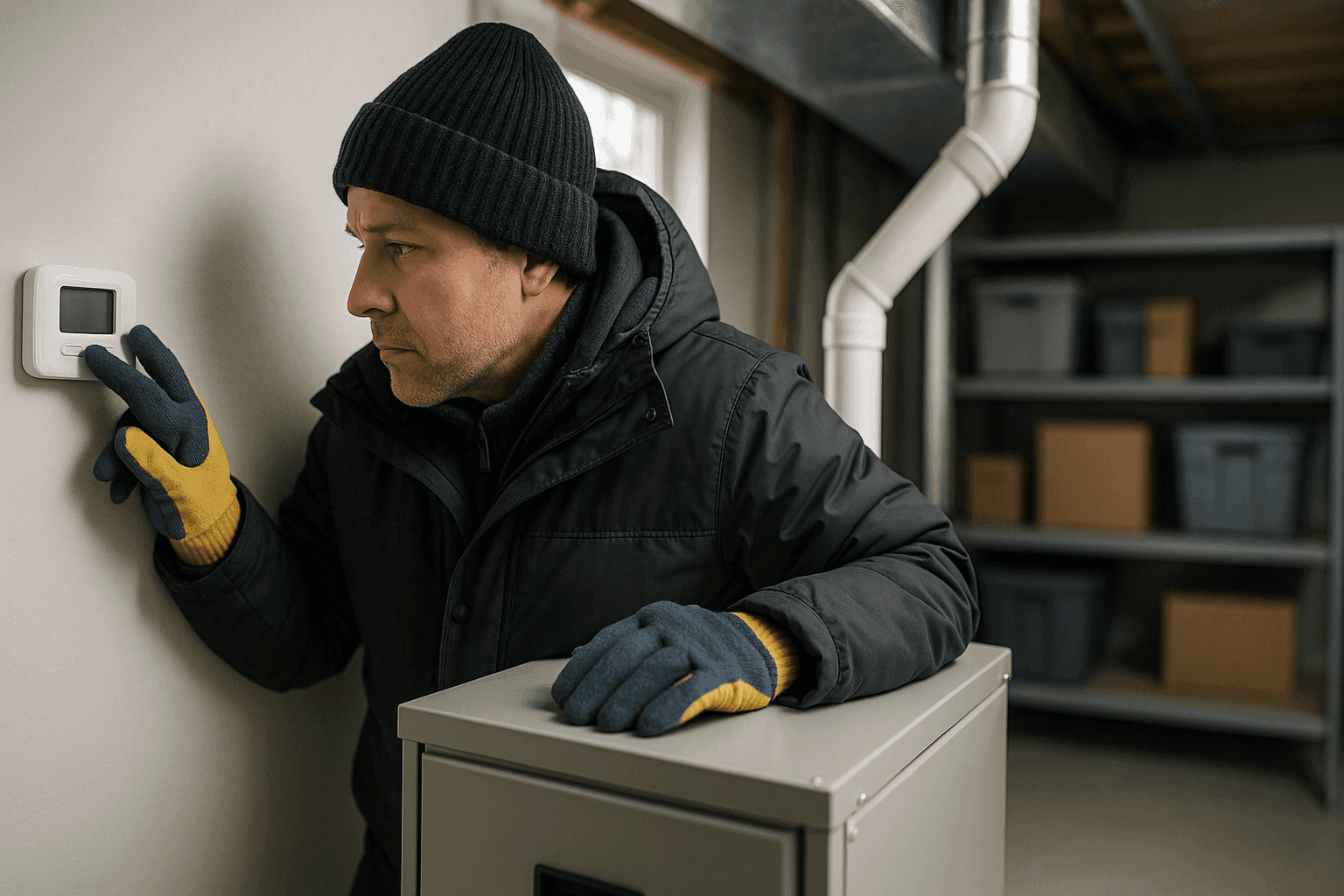
Winter cold can sneak up fast. When the wind howls and the mercury plummets, a heating failure goes from a minor annoyance to a true emergency. At Jewel Heating, we've seen how a sudden cold snap or blizzard can turn a quiet evening into a scramble for warmth—for both families and businesses.
Whether your furnace is silent, your vents blow cold air, or you’re hearing noises straight from a horror movie, we know how stressful these moments can be. Here’s a practical, step-by-step checklist to help you troubleshoot common winter heating problems safely and know exactly when to call for emergency hvac help.
Safety First: When Not to DIY ⚠️
Before you even lift the furnace panel or poke at the thermostat, stop. Your safety comes first. Every year, winter emergencies lead to accidents with gas leaks, electrical shorts, and even carbon monoxide poisoning. Your heating system is not just a box of wires—it’s a complex machine with real risks.
Never DIY if you notice:
- The smell of natural gas (like rotten eggs)
- Sparking or smoking equipment
- A carbon monoxide alarm sounding
- Water pooling around electrical parts
- Burnt or melting smells
If you spot any of these, leave the area immediately. Call 911 and your utility provider from outside. The U.S. Consumer Product Safety Commission and National Fire Protection Association provide guidelines for safe heating and electrical work—review them before attempting anything.
Visual and Audible Warning Signs
Your home or business talks to you—sometimes in creaks, sometimes in clatters. Listen and look closely:
- No heat or cold air: Obvious, but check every room. Is the problem everywhere, or just in one spot?
- Uneven heat: Upstairs roasting, basement freezing? This hints at airflow or duct issues.
- Strange noises: Bangs, squeals, rattles, or grinding sounds can mean anything from a loose panel to a failing blower motor.
- Short cycling: Furnace turns on and off rapidly—could be overheating or a sensor problem.
- Yellow pilot light: Should be blue. Yellow means incomplete combustion—dangerous.
- Dust, soot, or moisture: Around vents or on the unit itself. Signs of poor combustion or airflow.
Take notes. Photos help too, especially if you need to call for emergency hvac repair.
Filter and Thermostat Checks
Sometimes, the simplest things trip us up. A clogged filter can choke your furnace, and a wrong thermostat setting can keep you shivering.
Checklist:
- Set thermostat to “heat” and raise the temperature 3–5 degrees above room temp.
- Replace or clean your furnace filter (every 1-3 months in winter).
- Check batteries in digital thermostats.
- Reset programmable thermostats if there’s a power outage.
- Look for loose wires or corrosion on thermostat terminals.
- Make sure vents and returns are open and unobstructed.
A dirty filter is like a clogged nose—your system can’t breathe, and neither will you.
Pilot Light Resets & Breaker Checks
Pilot lights and breakers are the gatekeepers of warmth. If your furnace has a standing pilot:
To check and reset:
- Turn off the gas for five minutes.
- Follow the manufacturer’s relight instructions (usually on the panel door).
- If the pilot won’t stay lit, don’t force it—call a technician.
For electric systems:
- Check your breaker panel. Flip the furnace switch off, then on.
- GFCI outlets (often in basements) can trip—reset if needed.
If anything smells off or you see arcing, stop. Professional help is a must.
When to Call a Technician
Sometimes, it’s not about trying harder—it’s about knowing when to call for help.
Call for emergency hvac service if:
- No heat after basic checks
- Pilot light won’t stay lit
- Furnace cycles on/off rapidly
- Burning smells or smoke
- Any gas or carbon monoxide alarm
- Loud, persistent noises from the unit
- Water leaks from the furnace or boiler
- Electrical panels feel hot to the touch
Remember: Jewel Heating is available 24/7 for urgent issues—especially during cold snaps, blizzards, or regional winter hazards.
What Pros Do On Arrival
A licensed technician will handle what you can't see or reach safely. Here’s what happens:
- Full system diagnostics: Electrical, gas, and airflow checks.
- Combustion testing: Ensuring safe, efficient burning.
- Heat exchanger inspection: Looking for cracks or leaks.
- Cleaning: Burners, flame sensors, blowers, and filters.
- Airflow balancing: Checking ductwork and vent pressures.
- Thermostat calibration: Making sure readings are accurate.
- Safety shutoff testing: Preventing future hazards.
They’ll also spot hidden failings—like a cracked heat exchanger or a failing control board—that could leave you in the cold.
Prevention & Maintenance
Winter doesn’t have to mean worry. Regular maintenance keeps emergencies at bay.
Tips:
- Change filters monthly in peak season.
- Schedule annual inspections (fall is best).
- Keep vents and returns clear of furniture.
- Vacuum around your furnace and vents.
- Install carbon monoxide detectors on every level.
- Ask about home energy audits and air balancing.
Consider upgrades like programmable thermostats or air scrubbers for better indoor air quality and efficiency. If you need radiant heating near you, talk to us about options before next winter.
Costs & Time Factors
Heating repairs range widely—some fixes take minutes, others require parts and hours of labor. Here’s what to expect:
- Simple fixes (filters, thermostat batteries): 10–30 minutes.
- Pilot light or sensor issues: 30–90 minutes.
- Major repairs (blowers, heat exchangers): 2–4 hours or more.
- Emergency calls: May be faster, but after-hours rates often apply.
Parts and labor costs depend on the issue. Always ask your technician for a breakdown before work begins.
When It’s an Emergency
Not every problem is urgent, but some can’t wait:
- No heat with outdoor temps below freezing (risk of pipe bursts)
- Elderly, young children, or health conditions in the home
- Gas leaks or carbon monoxide alarms
- Major water leaks from heating equipment
- Power outages affecting heating
If you’re in doubt, don’t risk it—call for emergency hvac assistance immediately.
FAQ: Common Heating Repair Questions
How often should I replace my furnace filter in winter?
Usually every 1–3 months, but check monthly—pets or construction mean more frequent changes.
Why won’t my pilot light stay lit?
Could be a faulty thermocouple, dirty pilot, or a gas supply issue. Don’t force it—this is a job for a pro.
Should I close vents in unused rooms?
No—this can unbalance the system and cause pressure problems. Keep all vents open for best airflow.
What’s the safest temperature to set my heat during a blizzard?
Aim for at least 65°F (18°C). Lower temps risk frozen pipes; higher wastes energy.
Local & Seasonal Considerations
Winters here bring more than just a chill. Ice storms, power outages, and rapid temperature swings all take a toll on heating systems. After a blizzard, always check your outdoor intake and exhaust pipes—snowdrifts can block them, causing dangerous backdrafts or shutdowns.
If you rely on generators for backup, schedule regular generator maintenance. For homes with radiant heating near you or mini-splits, inspect outdoor units for ice buildup after storms.
Plan ahead: Book HVAC maintenance before the first freeze, and always know where your main gas and electrical shutoffs are located.
When the cold won’t quit and your heat won’t start, Jewel Heating is just a call away. For emergency hvac repair, troubleshooting, or routine maintenance—let us help keep your winter safe and warm.
Call Jewel Heating now — or reach us anytime at 888-865-9429 .