Home Energy Audits: Lower Bills and Boost Comfort All Year
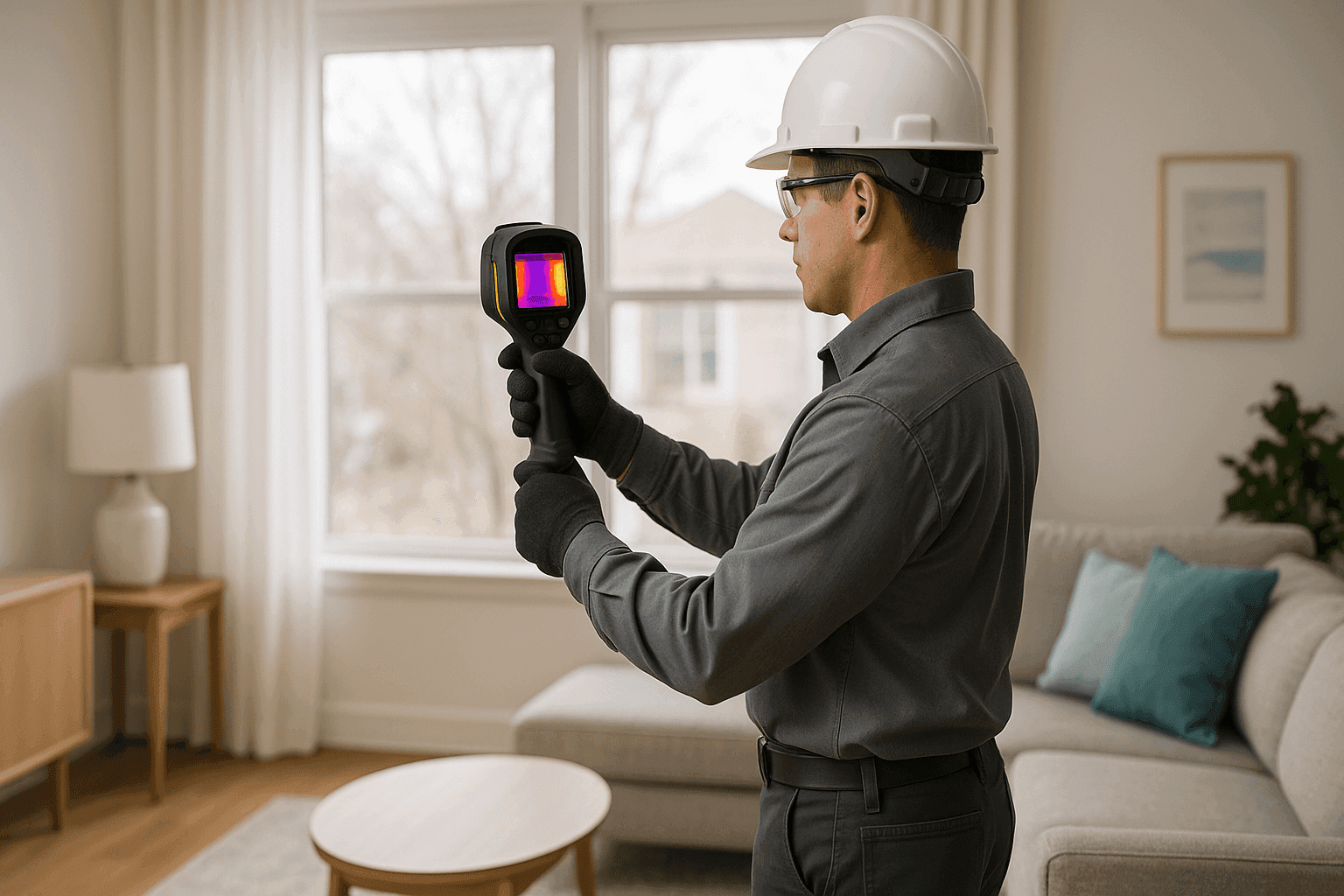
Is your home or business chilly in the winter and stuffy in the summer? Does your HVAC run nonstop, but your bills are still sky-high? You’re not alone. Many homeowners and business owners face these issues—often without realizing the culprit is invisible. The answer: a professional home energy audit.
At Jewel Heating, we know how frustrating it is to pay for comfort and not feel it. That’s why we help folks just like you—24/7—find out where energy (and money) is slipping away. If you’ve ever wondered what’s really happening behind your walls, floors, and ceilings, you’re about to get answers.
Why Energy Audits Matter: The Hidden Problem
Picture your home like a winter coat. If there’s a rip, cold air sneaks in and warm air leaks out. No matter how much you bundle up, you’re still cold. Your HVAC system works the same way. Leaks, gaps, and poor insulation let treated air escape, forcing your furnace or AC to work overtime—driving up costs and reducing comfort.
Energy audits shine a light on these hidden trouble spots. They aren’t just for older houses. Even brand-new buildings can have leaks, missing insulation, or inefficient equipment. The U.S. Department of Energy (DOE) and ENERGY STAR both recommend routine audits for any building that feels drafty, humid, stuffy, or has high utility bills.
What’s Included in a Professional Home Energy Audit? 🔎
A professional audit is more than just a walk-through. Certified auditors use specialized tools and proven methods, following DOE and ENERGY STAR guidelines. Here’s what to expect:
- Thermal Imaging: Infrared cameras spot cold and hot spots behind walls, floors, and ceilings.
- Blower Door Test: A big fan mounts in your doorway, pulling air out to reveal leaks.
- HVAC System Inspection: Technicians check your furnace, AC, radiant heating, thermostats, dehumidifiers, and filters.
- Ductwork & Air Balancing: Inspect for leaks, blockages, or poor airflow in ducts and vents.
- Insulation Evaluation: Assess attic, wall, and floor insulation for gaps or thin spots.
- Indoor Air Quality (IAQ) Testing: Measure humidity, pollutants, and carbon monoxide.
- Visual Checks: Windows, doors, lighting, appliances, and even your water heater get a careful once-over.
All findings are explained in plain language. You’ll get a prioritized list of upgrades—no pressure, just facts.
Thermal Imaging: Seeing What You Can’t Feel
Thermal imaging cameras are like X-ray vision for energy waste. They reveal:
- Cold spots along baseboards or around windows
- Hot patches in the attic (missing insulation or air leaks)
- Leaky ducts behind walls or floors
For both old and new homes, these “energy ghosts” are invisible to the naked eye but impossible to ignore once you spot them. In hot climates, thermal imaging can also show where heat is infiltrating, making your AC work overtime.
Blower Door Tests: The Ultimate Draft Detector 🚪
Ever feel a cold draft near a door or window? A blower door test makes those leaks impossible to hide. Here’s how it works:
- A pro seals your main door with a frame and a giant fan.
- The fan pulls air out, lowering inside pressure.
- Outside air rushes in through any crack or gap.
- The technician measures how much air comes in—and from where.
This test pinpoints leaks you can fix with weatherstripping, caulking, or insulation. Blower door results are one of the most powerful tools for maximizing HVAC efficiency, whether you’re searching for “radiant heating near you” or just want to keep bills manageable.
Common Energy Leaks: Where the Money Goes
Most homes and businesses have the same weak spots. Here’s where energy escapes:
- Attic hatches and ceiling penetrations
- Recessed lighting
- Ductwork seams
- Basement rim joists
- Windows and doors
- Fireplace dampers
- Electrical outlets on exterior walls
- Plumbing penetrations
Each leak is like a hole in your wallet. Sealing them helps your emergency hvac system work smarter, not harder.
Practical Upgrades: Payback in Comfort and Savings 💡
After an audit, most upgrades are simple, affordable, and can be done over time. The biggest wins often come from:
- Adding or Upgrading Insulation: Especially in attics, crawlspaces, and exterior walls.
- Air Sealing: Caulk, foam, or weatherstrip gaps and cracks.
- HVAC System Tune-Up: Regular maintenance, filter changes, and duct cleaning boost efficiency.
- Smart Thermostats: Optimize heating and cooling schedules.
- High-Efficiency Equipment: Upgrading to ENERGY STAR-rated furnaces, ACs, mini-splits, or whole-house fans.
- Ventilation & Air Quality: Install dehumidifiers, air scrubbers, or humidifiers to balance indoor air.
Not every solution costs a fortune. Many fixes pay for themselves in a year or two—sometimes even sooner.
DOE & ENERGY STAR: Trusted Guidelines
Jewel Heating follows recommendations from the U.S. Department of Energy and ENERGY STAR when performing audits. These organizations set the bar for home energy efficiency, safety, and comfort. For more on building codes and safe upgrades, the International Energy Conservation Code (IECC) is the gold standard.
Local & Seasonal Benefits: Hot or Cold, Old or New
Energy waste isn’t just a winter problem. In hot, humid summers, leaky homes let in warm air, making your AC run longer. In cold climates, every gap means more heat loss.
- Cold Climates: Focus on attic and wall insulation, furnace installation, and sealing drafts.
- Hot Climates: Concentrate on radiant barriers, AC maintenance, and sealing to keep cool air inside.
- Old Homes: Likely to have more gaps, missing insulation, and drafty windows.
- New Builds: Even new homes benefit—builders can miss spots, and ductwork isn’t always sealed tight.
No matter your building’s age or local weather, an energy audit helps keep comfort up and bills down.
Quick Safety Checklist Before an Audit
- Change or check your HVAC filters regularly
- Clear obstructions from vents, returns, and ducts
- Ensure carbon monoxide detectors are working
- Look for obvious signs of water leaks or mold
- Make sure the attic and crawlspaces are accessible
DIY vs. Call a Pro
Some energy fixes are DIY-friendly—like adding weatherstripping or replacing filters. But for a full audit, pro tools and training make all the difference.
DIY Can:
- Seal small window or door drafts
- Add foam gaskets behind outlet covers
- Install window film or draft stoppers
Call a Pro For:
- Blower door and thermal imaging tests
- Ductwork inspection and cleaning
- HVAC system performance checks
- Home air balancing and IAQ testing
- Radiant heating or furnace upgrades
If you’re unsure, start with a professional audit. Your future self—and your wallet—will thank you.
What Pros Do On Arrival
When Jewel Heating’s team arrives, here’s what happens:
- Brief walk-through to note concerns and comfort issues
- Set up blower door and thermal imaging equipment
- Test HVAC operation, airflow, and thermostat accuracy
- Inspect insulation, windows, doors, and ductwork
- Measure indoor air quality and check for safety hazards
- Share a clear, prioritized report with upgrade options
Everything is explained in terms you can understand. No jargon, no sales pitch—just the facts.
Prevention & Maintenance: Keeping Energy Leaks Away 🛠️
Routine maintenance is the best way to keep your home or business efficient:
- Schedule annual HVAC maintenance (don’t forget emergency hvac services if needed)
- Change filters every 1–3 months
- Clean ducts and vents yearly
- Seal new gaps as they appear—especially after renovations
- Check insulation levels every few years
- Test thermostats and safety devices regularly
Proactive steps keep small issues from becoming big headaches—or expensive emergencies.
Costs & Time Factors
Energy audit pricing varies by building size, age, and complexity. Most audits take 2–4 hours for homes, a bit longer for larger businesses or multifamily buildings. Upgrades might range from low-cost DIY fixes to larger investments, like insulation or new equipment.
Remember: the cost of doing nothing is often much higher in wasted energy bills, reduced comfort, and unexpected repair calls.
When It’s an Emergency
Some leaks or HVAC failures can’t wait. If you notice:
- Sudden spikes in energy bills
- Strange HVAC noises or smells
- Loss of heating or cooling during extreme weather
- Visible mold, water damage, or electrical hazards
Call an emergency hvac professional right away. Quick action protects your health, safety, and property.
FAQ: Home Energy Audits
What’s the difference between a home energy audit and a home inspection?
A home inspection checks structure and safety before buying or selling. An energy audit focuses on comfort, efficiency, and utility savings.
How often should I get an energy audit?
Most experts, including ENERGY STAR, recommend every 3–5 years—or after major renovations.
Do energy audits help with indoor air quality?
Absolutely. Audits spot sources of poor airflow, humidity issues, and pollutants, then recommend IAQ solutions.
Can businesses benefit too?
Yes! Commercial energy audits often uncover even bigger savings, especially for complex HVAC setups.
Local and Seasonal Considerations: Year-Round Value 🌦️
Whether you’re in a snowy region, a humid climate, or somewhere with wild temperature swings, energy leaks cost you comfort and cash. Even in mild climates, small upgrades add up to big savings over time.
Older homes may need more fixes, but new buildings aren’t immune. Codes change, and building materials settle. A periodic audit keeps things running as they should—every season, every year.
Ready to take control of your comfort and costs?
Call Jewel Heating now — or reach us anytime at 888-865-9429 .