Mini-Split Systems: Installation, Benefits, and Common Myths
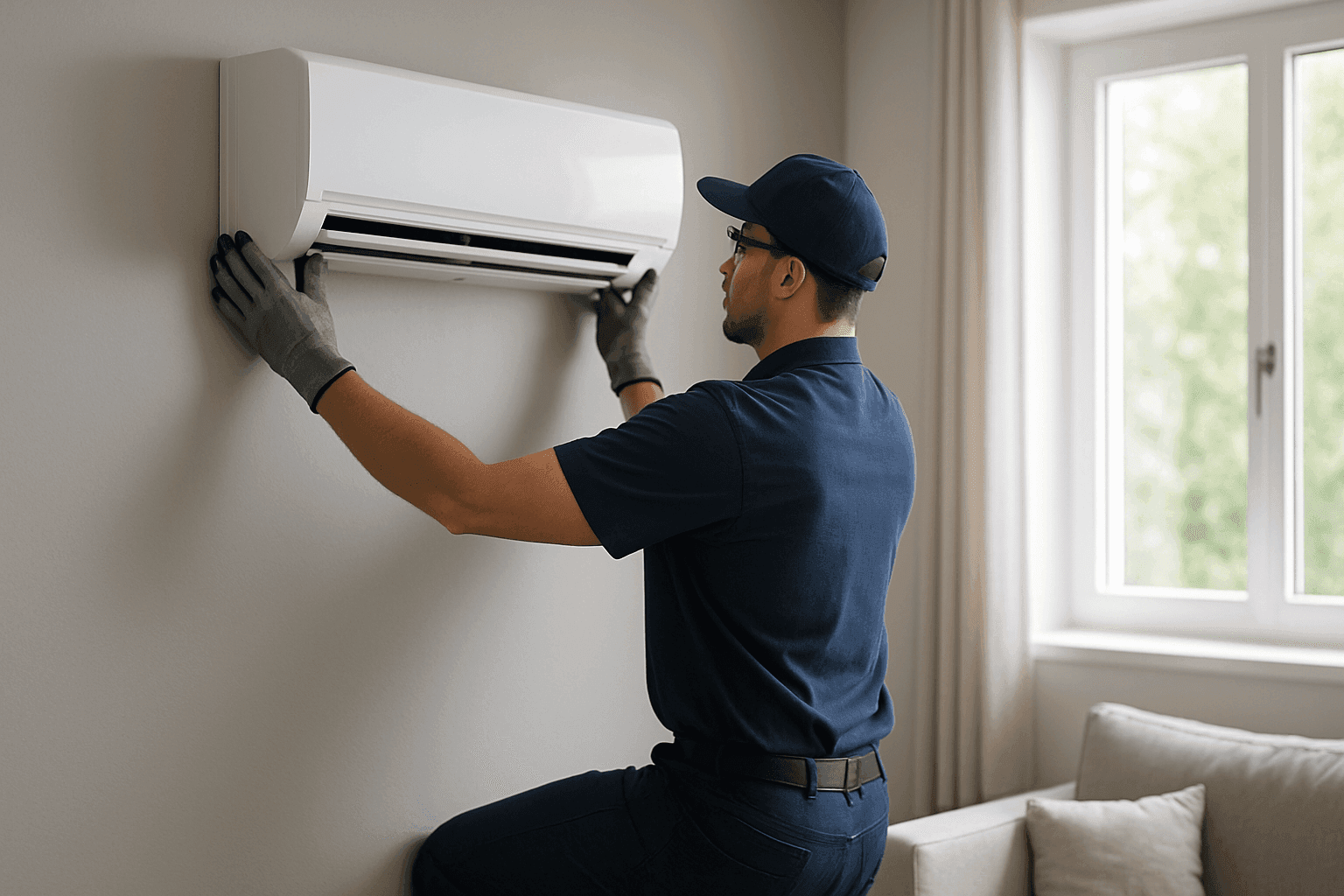
Is your home or business always too hot in one room, too cold in another? Maybe you’re tired of noisy window units, or sick of the dust from old baseboard heating. At Jewel Heating, we hear this story every day. Mini-split systems—sometimes called ductless units—are changing the way people solve these comfort headaches.
When you need reliable comfort, energy savings, and flexibility—especially in urgent situations—mini-splits stand out. As your 24/7 emergency hvac specialists, we’re here to break down how these systems work, where they excel, and what to expect if you’re considering one.
How Mini-Split Systems Work: Comfort Without the Ducts 🏡
Think of a mini-split like a spotlight for comfort. Instead of flooding the whole house with heat or AC, it beams it exactly where you want.
What is a mini-split?
A mini-split system has two main parts:
- Indoor air handler: The quiet, wall-mounted unit you see inside.
- Outdoor condenser: The hardworking engine that sits outside.
These connect with a slim refrigerant line—no bulky ductwork. Each indoor unit cools or heats a specific “zone.” Want to keep your bedroom chilly without freezing the rest of the house? Easy. Need extra warmth in a drafty office? No problem.
How it works:
- The indoor unit draws in room air.
- It cools or heats using refrigerant coils.
- Conditioned air flows back into your space.
- The outdoor condenser releases or absorbs heat, depending on the season.
This targeted approach means you get comfort on demand—without paying to condition empty rooms.
Best Applications: Where Mini-Splits Shine
Mini-splits are not just for new builds or trendy apartments. Here’s where they really make sense:
- Older homes: Love your 1920s bungalow but hate the patchy heating? Mini-splits install without tearing up walls for ducts.
- Additions and sunrooms: Don’t want to overhaul your whole system for that new space? A mini-split is the perfect add-on.
- Small businesses and offices: Use energy only in occupied spaces. Conference room too stuffy? Put a zone there and keep the rest efficient.
- Garages and workshops: No ducts, no problem. Get heating and cooling where you work.
- Rental units or in-law suites: Give tenants or guests control over their own comfort.
We’ve installed mini-splits in everything from brick Victorians to modern clinics. In many older neighborhoods and commercial districts, they’re quickly becoming the “go-to” upgrade for targeted comfort and lower energy bills.
Common Myths About Mini-Splits (And the Truth)
Mini-splits have their skeptics. Let’s set the record straight:
Myth 1: “Mini-splits aren’t efficient.”
Reality:
Modern mini-splits are some of the most energy-efficient systems available. Many carry ENERGY STAR® ratings and use inverter technology, which means they adjust output to match demand. According to the U.S. Department of Energy, ductless systems can reduce energy use by 30% compared to traditional forced-air systems—especially in homes with leaky or outdated ducts.
Myth 2: “They look ugly on my wall.”
Reality:
Design has come a long way. Today’s indoor units are sleek, compact, and available in neutral colors. Some brands even offer ceiling cassettes or floor models for less visible installations. Most customers tell us they “forget it’s there” after a week.
Myth 3: “Installation is easy—just plug it in.”
Reality:
Improper installation is the #1 cause of mini-split problems. It involves electrical, refrigerant, and drainage work that must meet local building codes. For peace of mind, always hire a licensed hvac pro—especially for emergency hvac needs.
Myth 4: “Mini-splits can’t handle cold winters.”
Reality:
Today’s cold-climate models provide reliable heating even when outdoor temps dip below freezing. Our customers in older homes around the region now rely on their mini-splits as a primary heat source—even during snowstorms.
The Installation Process: What to Expect
Here’s what happens when you call Jewel Heating for a mini-split installation:
- Site assessment: We evaluate your building, insulation, and electrical system. No two properties are the same—especially older homes.
- System sizing: Bigger isn’t always better. We calculate the right size based on room volume, sun exposure, and more.
- Placement planning: We suggest the best spots for indoor and outdoor units—factoring in aesthetics, airflow, and code requirements.
- Mounting and wiring: The indoor unit is mounted securely (usually high on a wall), and the outdoor unit is placed on a stable base.
- Connecting lines: Refrigerant and electrical lines are run with minimal disruption. We seal all wall penetrations to keep out drafts and pests.
- Testing and balancing: The system is vacuum-tested for leaks, charged with refrigerant, and checked for correct operation. We show you how to use the remote and set schedules.
Typical installs take one day for a single-zone system; more zones may need additional time. Our team follows all manufacturer specs and local safety codes.
Maintenance Needs: Keeping Your Mini-Split Running Smoothly
Just like a car, a mini-split needs regular attention to stay efficient:
- Clean or replace filters: Check monthly, especially during peak use.
- Wipe down indoor units: Dust and debris collect over time.
- Clear outdoor condenser: Keep leaves, grass, and snow away.
- Professional maintenance: Schedule annual checkups with a licensed hvac technician. We’ll inspect electrical connections, refrigerant charge, and drainage.
Neglect is the leading cause of performance drops and emergency hvac calls. A well-maintained system can last 12–20 years.
Customer Stories: Real Results, Real Comfort
Case Study 1: Historic Home, Modern Comfort
Mrs. L. in her 1905 farmhouse struggled with cold bedrooms and stuffy summers. After a Jewel Heating mini-split install, she slashed her heating bill by 35%. “My kids finally sleep through the night,” she told us. “No more arguing over the thermostat.”
Case Study 2: Office Upgrade
A local accounting firm had employees wearing parkas in one room and sweating in another. After zoning with mini-splits, energy costs dropped and productivity soared. The owner’s words: “We wish we’d done this years ago.”
Energy Data:
ENERGY STAR® research shows that ductless mini-splits can save the average residence $200–$500 per year compared to baseboard or window units, depending on climate and usage.
Local and Seasonal Considerations
Mini-splits are especially popular in older neighborhoods, where retrofitting ducts is impractical or cost-prohibitive. In regions with humid summers and cold winters, high-efficiency models with dehumidification can be game changers. Offices and schools are also turning to mini-splits as energy codes tighten and comfort demands rise.
In our experience, demand spikes before and after extreme weather—so plan installs and maintenance ahead when possible.
Quick Safety Checklist for Mini-Split Systems
- Only use licensed contractors for installation and maintenance.
- Ensure electrical wiring meets National Electrical Code (NEC) standards.
- Never block airflow to or from indoor or outdoor units.
- Keep flammable materials away from the outdoor condenser.
- Clean filters regularly to maintain indoor air quality.
DIY vs. Call a Pro
Some tasks—like cleaning filters—are safe for handy homeowners. But refrigerant work, electrical connections, and code compliance demand a professional. Improper installation can void warranties and create serious safety hazards. For emergency hvac needs or any uncertainty, always call a pro.
What Pros Do On Arrival
- Assess your needs and inspect the site.
- Design a system tailored to your building—no cookie-cutter solutions.
- Handle all electrical, refrigerant, and drainage work per local codes.
- Test and calibrate the system for maximum comfort and efficiency.
- Explain operation, maintenance, and answer all your questions.
Prevention & Maintenance Tips
- Schedule annual tune-ups before peak heating/cooling seasons.
- Keep indoor and outdoor units clear of dust, leaves, and snow.
- Monitor for signs of trouble: odd noises, leaks, or weak airflow.
- Set reminders to check filters—your lungs (and energy bill) will thank you.
Costs & Time Factors
- Equipment: Prices vary by brand, features, and number of zones.
- Labor: Older homes or complex structures may require extra time.
- Permits: Most cities require permits for electrical and refrigerant work—plan accordingly.
- Timeline: Most single-zone installs take one day; larger jobs take longer.
Remember: the cheapest install is rarely the best. Quality work pays off in comfort and long-term savings.
When It’s an Emergency
Has your mini-split stopped working during a heatwave or freeze? Is there water leaking from the indoor unit, or is the system blowing only lukewarm air? Don’t wait. Emergency hvac issues can escalate fast—especially in critical spaces like server rooms, medical offices, or homes with vulnerable residents.
Jewel Heating offers true 24/7 emergency service. We’re ready to help—day or night.
Frequently Asked Questions
Can I use a mini-split to replace my whole-house system?
Yes, especially with multi-zone systems. We’ll design a setup to cover every space, or supplement existing heating/cooling as needed.
Do I need to upgrade my electrical panel?
Maybe. Some older homes may need an electrical upgrade for safe operation. We check this during our assessment.
Are mini-splits noisy?
No. Most indoor units are quieter than a whisper—about 19–30 dB. Outdoor condensers are also very quiet.
Will a mini-split help with allergies?
Absolutely. Built-in filtration and dehumidification boost indoor air quality. Ask about advanced filters for even cleaner air.
The Bottom Line: Is a Mini-Split Right for You?
If you want flexible comfort, better energy bills, and minimal disruption to your home or business, mini-splits are worth a close look. Whether you’re in a century-old house, a new addition, or a busy office, Jewel Heating can help you find the right fit.
Questions? Need emergency hvac help? Wondering if Radiant Heating near you pairs well with a mini-split? Our specialists are ready.
Call Jewel Heating now — or reach us anytime at 888-865-9429 .