How to Prepare Your HVAC System for Extreme Weather Emergencies
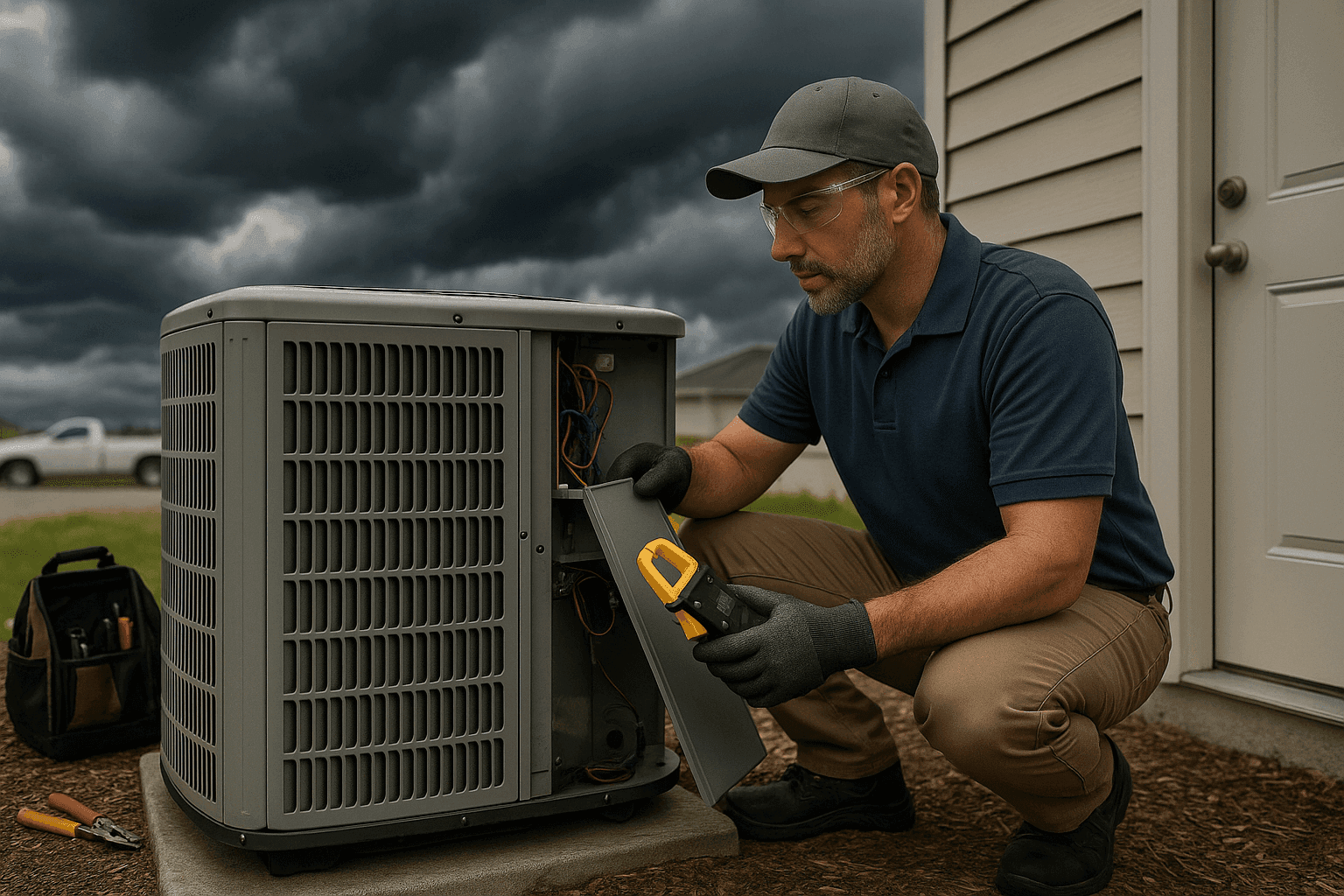
Is your HVAC system ready for the next big storm, heatwave, or cold snap? When the weather turns wild, your comfort—and sometimes your safety—can depend on how well your heating and cooling equipment is prepared. At Jewel Heating, we know that emergencies don’t wait for business hours. Our 24/7 emergency hvac team has seen firsthand how a little preparation can save you from big headaches and bigger repair bills.
Let’s walk through the steps every homeowner and small business owner should take to protect their HVAC investment before extreme weather strikes.
Understanding Weather Risks to HVAC Systems 🌪️
Mother Nature throws curveballs. From blistering heatwaves to sudden ice storms, your HVAC system faces more than just temperature swings. Wind-driven debris, power outages, and flooding can all threaten your equipment.
Common Weather Hazards
- Heatwaves: Overloads AC units, stressing motors and compressors.
- Cold snaps: Freeze pipes, strain furnaces, and risk carbon monoxide leaks.
- Thunderstorms: Lightning surges can fry circuit boards; heavy rain can flood outdoor units.
- Windstorms: Toss branches, leaves, and debris into condenser coils or vents.
- Power outages: Leave you without heating or cooling when you need it most.
According to the Air Conditioning Contractors of America (ACCA), preventative maintenance is your best defense. But knowing what to watch for is step one.
Seasonal Maintenance Tips for Extreme Conditions
Think of your HVAC system like a car. You wouldn’t drive cross-country without a tune-up. The same goes for facing down extreme weather.
Before Heatwaves
- Clear leaves, grass, and debris from around outdoor AC units.
- Change or clean filters for maximum airflow.
- Check thermostat settings and test cooling before the first hot day.
- Inspect insulation on refrigerant lines.
Before Cold Snaps
- Schedule a furnace inspection—look for cracks, leaks, or rust.
- Seal air leaks around windows and doors to keep heat in.
- Ensure outdoor heat pump units are free of snow and ice.
- Test your carbon monoxide detector.
Before Storms
- Tie down loose items in your yard.
- Trim branches near outdoor units.
- Cover outdoor equipment with manufacturer-approved covers (never use plastic tarps).
- Surge-protect HVAC circuits.
Before Power Outages
- Consider a backup generator installation for critical systems.
- Know how to safely shut off your HVAC at the breaker if needed.
Emergency HVAC Supplies and Tools to Keep On Hand
A little preparation goes a long way. Here’s what to keep handy:
- Extra air filters (the right size for your system)
- Flashlight and fresh batteries
- Surge protector or portable generator (installed by a professional)
- Heavy-duty extension cords (for temporary use only)
- HVAC system manual and emergency shut-off instructions
- Duct tape for temporary patching
- Thermometer to monitor indoor temperatures
If you have a generator, make sure it’s maintained and tested regularly. The National Fire Protection Association (NFPA) recommends annual generator checks and safe, outdoor operation.
When to Call a Professional for Emergency HVAC Service
Some issues are DIY-friendly. Others are not. Here’s how to tell the difference.
DIY: What You Can Safely Handle
- Changing filters
- Clearing leaves from outdoor units
- Resetting tripped breakers
- Checking thermostat batteries
Call a Pro When:
- There’s no heat or AC, and simple resets don’t help
- You smell gas or suspect a carbon monoxide leak—leave the building immediately
- Water is pooling around indoor or outdoor equipment
- Electrical panels or wires are wet or sparking
- Strange noises (banging, screeching, or grinding) come from the system
- You suspect frozen pipes or ice in the system
Emergency hvac issues can escalate quickly. Jewel Heating’s technicians are trained to respond safely and efficiently, 24/7.
Proactive HVAC Emergency Checklist
A quick safety checklist for every season:
- [ ] Replace or clean air filters monthly
- [ ] Schedule seasonal maintenance (spring for AC, fall for heat)
- [ ] Test smoke and carbon monoxide detectors
- [ ] Keep vents and registers clear
- [ ] Clear debris from outdoor units after every storm
- [ ] Check insulation and weatherstripping
- [ ] Know where your emergency shut-off switches are
The Benefits of Regular Maintenance and Generator Installation
Routine tune-ups catch small problems before they become big ones. According to the U.S. Department of Energy, well-maintained HVAC systems run more efficiently, last longer, and are less likely to fail during extreme weather.
Backup generators are a lifeline during power outages. They keep your HVAC, refrigerator, and essential systems running. Jewel Heating installs and maintains generators designed for seamless operation with your heating and cooling equipment.
What to Expect When the Pros Arrive
When you call for emergency hvac help, here’s what Jewel Heating’s technicians do:
- Assess the immediate problem and safety risks
- Shut down unsafe equipment if needed
- Diagnose the root cause using professional tools
- Make safe, code-compliant repairs or recommend next steps
- Advise on long-term solutions to prevent future emergencies
Our team follows National Electrical Code (NEC) and manufacturer guidelines to keep your system safe and reliable.
Costs and Time Factors
Emergency repairs can vary in time and expense. Minor fixes—like a blown fuse or clogged filter—might take under an hour. Major issues, such as compressor failures or water damage, can require several hours or even multiple visits.
Factors affecting cost and time:
- Type of repair (simple vs. complex)
- Parts availability
- Age and brand of your HVAC system
- Whether a generator or electrical work is involved
Regular maintenance helps catch issues early, often reducing the need for costly emergency service.
When It’s an Emergency
Don’t wait if:
- Indoor temperatures become dangerously hot or cold
- You hear or smell anything unusual from your HVAC
- There’s visible smoke, sparks, or water leaks
- Your carbon monoxide detector goes off
These situations can threaten your safety and property. Call for emergency hvac help right away.
FAQ: Extreme Weather & HVAC Systems
Q: Should I turn off my HVAC system before a storm?
A: If severe weather is forecast—especially lightning—turning off your system at the breaker can protect it from surges.
Q: How often should I check my generator?
A: At least once a month, and always before predicted storms. Follow the manufacturer’s maintenance schedule.
Q: What’s the best filter for extreme weather?
A: High-quality pleated filters (rated MERV 8–13) trap more dust and pollen, helping your system run cleaner during heavy use.
Q: Can I cover my outdoor unit during winter?
A: Use only covers approved by your unit’s manufacturer. Never use plastic or airtight materials; these can trap moisture and cause rust.
Special Considerations for Homeowners and Small Businesses
- Indoor Air Quality: Extreme weather often means you’re indoors more. Consider air scrubbers, dehumidifiers, or humidifiers to keep air fresh and comfortable.
- Duct Cleaning: After storms or wildfire smoke, have ducts checked for debris or contamination.
- Sheet Metal and Air Balancing: Properly sealed and balanced ductwork improves efficiency and comfort, especially during weather extremes.
- Energy Audits: Identify insulation gaps or leaks that make your HVAC work harder.
- Mini-Splits and Radiant Heating: Special care may be needed for these systems in freezing or wet conditions.
Your comfort and safety matter—year-round. With a little planning, you can weather any storm.
Call Jewel Heating now — or reach us anytime at 888-865-9429 .