How to Prepare Your HVAC System for Winter Emergencies
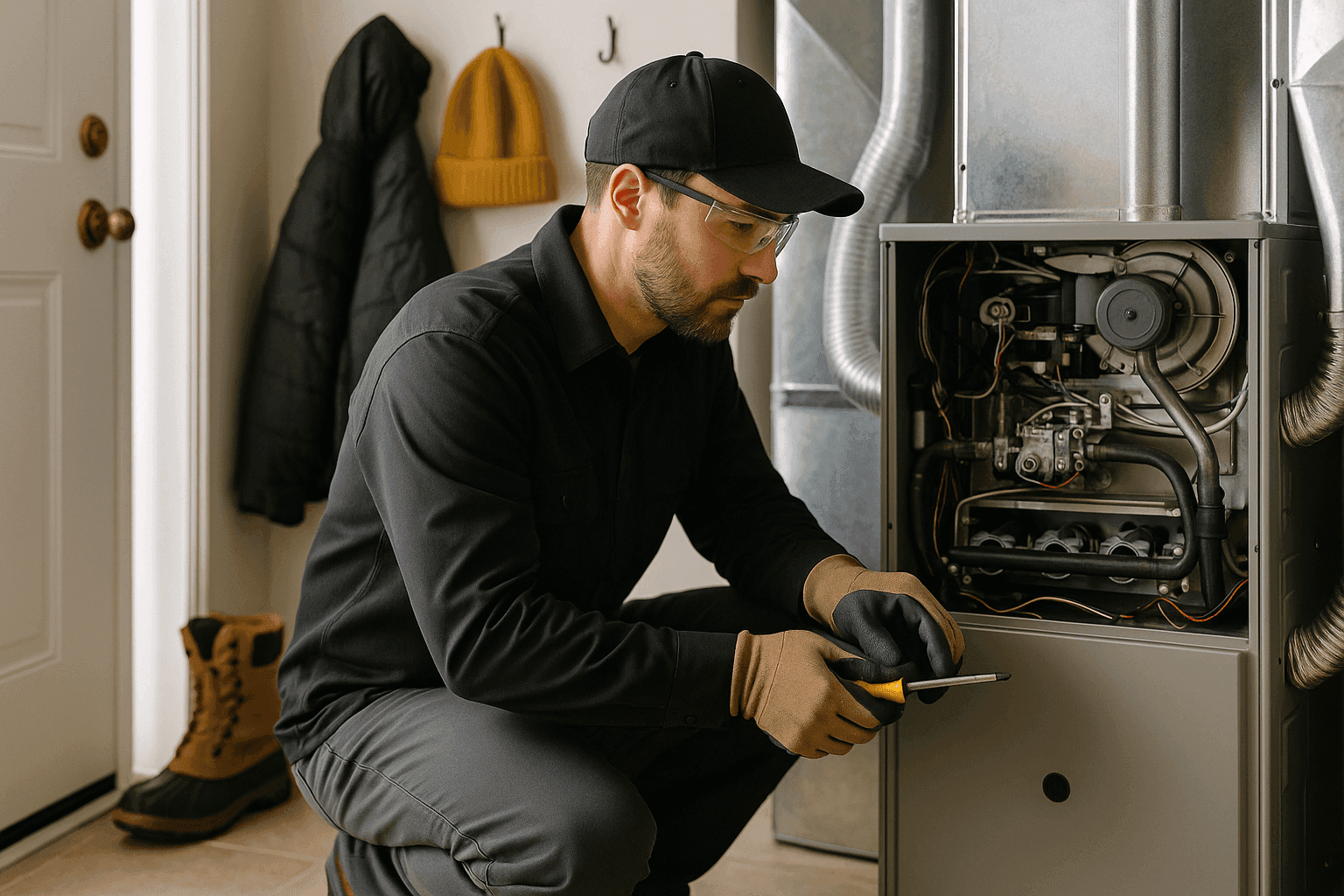
When winter storms hit and the temperature drops, your home’s HVAC system becomes the unsung hero, working overtime to keep your family safe and warm. But what happens if the heat suddenly stops? No one wants to wake up to a freezing house or frantic calls for emergency hvac help in the dead of night.
At Jewel Heating, we know how stressful winter breakdowns can be. That’s why we’re sharing the steps every homeowner and small business owner should take to avoid cold-weather chaos—and what to do if you’re caught off guard.
Importance of Winter HVAC Preparation ❄️
Imagine your furnace as a loyal guard dog. It quietly stands watch, ready to protect your home from winter’s bite. But even the best guard needs care—neglect can turn minor issues into major emergencies.
Why prepare now?
- Frozen pipes: A failed heater can lead to burst plumbing, causing water damage and headaches.
- Health risks: Prolonged cold can affect vulnerable family members, from infants to seniors.
- Costly repairs: Emergency hvac calls during a freeze are often more expensive and stressful.
Being proactive is like putting on a warm coat before heading into a blizzard. It’s comfort, peace of mind, and safety rolled into one.
Step-by-Step Winter HVAC Checklist
Ready to winter-proof your comfort? Follow these essential steps before the first frost:
- Furnace Inspection: Schedule a professional checkup. Look for strange noises, odd smells, or frequent cycling. According to the U.S. Department of Energy, annual inspections improve efficiency and reduce breakdowns.
- Replace Air Filters: Dirty filters choke airflow, straining your system. Swap them every 1–3 months.
- Test Your Thermostat: Set it to heat and make sure it responds. Consider upgrading to a programmable thermostat for better control.
- Check Generator Readiness: If you rely on backup power, test your generator. Top off fuel and review the owner’s manual for safety tips from the National Fire Protection Association (NFPA).
- Inspect Vents and Ducts: Clear obstructions from vents. Look for dust buildup or blockages that can reduce heat flow.
- Seal Leaks: Use weatherstripping and caulk around windows and doors to keep warm air in.
- Review Carbon Monoxide Detectors: Replace batteries and test alarms. The CDC recommends detectors on every floor for safety.
A well-tuned system is like a car ready for a long winter road trip—reliable and ready for anything.
Signs Your Heating System Needs Immediate Attention
Don’t ignore these red flags before winter sets in:
- Unusual noises: Banging, rattling, or squealing from your furnace or vents.
- Uneven heating: Some rooms feel like saunas, others like iceboxes.
- Frequent cycling: The system turns on and off rapidly.
- Burning smells: Persistent odors, especially metallic or electrical.
- Pilot light issues: Flickering, yellow, or non-existent flames in older furnaces.
If you notice any of these, contact an emergency hvac professional. Delaying repairs can turn a small hiccup into a big freeze.
Emergency HVAC Tips for Winter Breakdowns
If your heat fails during a deep freeze, don’t panic. Take these steps to stay safe and minimize damage:
- Shut doors to unused rooms: Trap heat where you need it most.
- Layer up: Wear warm clothing and use blankets.
- Use space heaters safely: Keep them away from flammable materials and never leave them unattended. Follow manufacturer guidelines and local fire codes.
- Protect pipes: Let faucets drip to prevent freezing. Open cabinet doors to let warm air circulate around plumbing.
- Monitor indoor air: If using alternate heating sources, ensure proper ventilation to avoid carbon monoxide buildup.
Never use ovens or grills for heating indoors—this is a serious safety hazard, as warned by the Consumer Product Safety Commission (CPSC).
Trusted Professional Maintenance Services
There’s a reason so many people rely on professional HVAC maintenance before winter. An experienced technician from Jewel Heating can:
- Inspect heat exchangers for cracks (a leading cause of carbon monoxide leaks).
- Tighten electrical connections and check for corrosion.
- Lubricate moving parts for efficiency.
- Test system controls and safety switches.
- Clean burners and ignition systems.
Professional tune-ups are like a pit stop before a race—they catch problems early and keep your system running at peak performance. According to the Air Conditioning Contractors of America (ACCA), regular maintenance extends the lifespan of your HVAC and improves safety for everyone indoors.
Prevention and Maintenance: Your Best Defense
Think of HVAC maintenance as brushing your teeth. Skipping it might not hurt today, but over time, neglect leads to bigger, more expensive problems.
Simple habits for a healthy system:
- Replace filters regularly.
- Keep vents clear of furniture and clutter.
- Schedule annual inspections.
- Pay attention to changes in noise or performance.
A little prevention now means fewer emergencies later.
Costs & Time Factors
Emergency hvac repairs can be more expensive than routine maintenance. Here’s what to expect:
- Time: Most seasonal tune-ups take 1–2 hours. Emergency repairs can range from quick fixes to several hours, depending on the issue.
- Cost: Routine maintenance is typically less costly than after-hours or urgent repairs. Replacing a filter or thermostat is far cheaper than fixing a broken heat exchanger or frozen pipes.
Investing in regular care is like buying insurance for your comfort—it pays off when you need it most.
When It’s an Emergency
Not every heating hiccup is a crisis. But call for emergency hvac service if:
- The indoor temperature drops dangerously low, especially with infants, elderly, or medically fragile individuals present.
- You smell gas or suspect a carbon monoxide leak—leave the building and call emergency services immediately.
- There’s no heat at all during extreme cold.
- Water is leaking from your furnace or pipes are frozen.
Jewel Heating’s 24/7 emergency response is always ready when you need help most.
FAQ: Winter HVAC Emergencies
How often should I schedule HVAC maintenance?
At least once a year, ideally before winter. Some systems benefit from spring and fall checkups.
Can I perform my own furnace repair?
Simple tasks like changing filters are safe for most homeowners. For anything involving wiring, gas, or complex parts, always call a licensed pro.
What’s the best thermostat setting for winter?
The U.S. Department of Energy suggests 68°F when you’re home, lower when away or sleeping.
Do portable heaters replace a broken furnace?
No. They’re a temporary measure and must be used with caution. Never leave them unattended.
Special Considerations for This Service
Every home and business is unique. Larger spaces, older systems, or homes with special air quality needs (like allergies or pets) may require extra attention:
- Duct cleaning: Reduces dust and improves airflow.
- Indoor air quality testing: Identifies hidden issues before they become problems.
- Generator maintenance: Ensures backup power is ready when you are.
- Humidity control: Prevents dry air that can irritate skin and sinuses.
If you’re unsure what your system needs, a professional assessment from Jewel Heating can provide peace of mind.
Call Jewel Heating now — or reach us anytime at 888-865-9429 . Stay warm, stay safe, and let us handle the emergencies—so you can focus on what matters most.