Ventilation Best Practices: Keep Your Home Fresh and Healthy
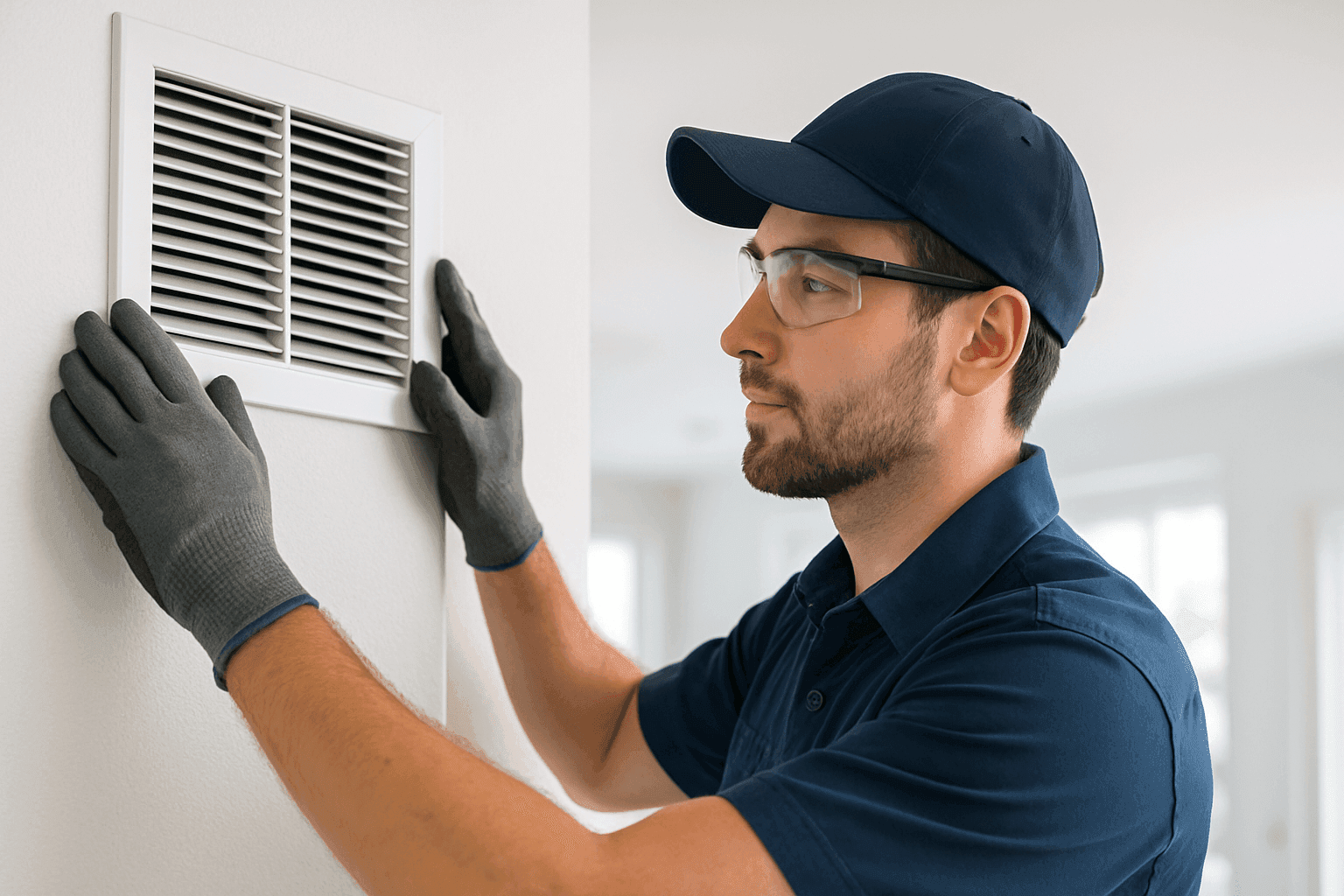
Is your home’s air feeling stuffy, musty, or heavy? That’s more than an inconvenience—poor ventilation can affect your comfort, health, and even your building’s structure. At Jewel Heating, we know that fresh air isn’t just a luxury. It’s a necessity, especially in our tightly built modern homes.
Whether it’s a humid summer, a dry winter, or an unexpected emergency hvac situation, understanding ventilation best practices can make all the difference. Let’s break down what you need to know—without the jargon, just real answers you can use.
Why Ventilation Matters: The Air You Breathe
Imagine your home as a pair of lungs. If those lungs can’t breathe, things go downhill fast. Proper ventilation brings in clean air, pushes out stale air, and keeps everything—from your family to your furniture—healthier.
Here’s what good ventilation does for you:
- Sweeps out indoor air pollutants (dust, VOCs, pet dander)
- Controls humidity and prevents mold or mildew
- Removes odors from cooking, cleaning, and daily living
- Helps your HVAC system run efficiently, saving energy
According to the EPA, indoor air can be two to five times more polluted than outside air. That’s reason enough to pay attention.
Types of Ventilation: What Are Your Options? 🏠
Modern homes keep out drafts, but they can also trap contaminants. Let’s look at the main types of ventilation you might have—or need.
Natural Ventilation
Think open windows and doors. Breezes, chimney effects, and even just cracks around windows can provide some airflow. But in tightly sealed homes or areas with high outdoor pollution, this isn’t always enough.
Pros: Free and simple
Cons: Weather-dependent, may let in pollen or humidity
Mechanical Ventilation
Fans, ducts, and powered vents move air in and out. Bathroom and kitchen exhaust fans are the most common examples. Some homes use whole-house fans or attic fans for stronger airflow.
Pros: Controlled, can target specific areas
Cons: Needs electricity and regular maintenance
ERVs and HRVs (Energy and Heat Recovery Ventilators)
These advanced systems swap stale indoor air for fresh outdoor air—while capturing heat (and sometimes moisture) to keep your energy bills in check. They’re especially useful in airtight new builds.
Pros: Efficient, great for comfort and energy savings
Cons: More complex, requires professional installation
Signs of Poor Ventilation: Red Flags to Watch For 🚩
How do you know if your home is struggling to breathe? Watch for these warning signs:
- Persistent condensation on windows
- Musty or stale smells that linger
- Mold spots on ceilings or walls
- Peeling paint or warped wood
- High humidity indoors, even when AC is running
- Frequent headaches or allergy flare-ups
If any of these sound familiar, don’t ignore them. Poor ventilation can get worse over time—and quickly become a health hazard.
Quick Safety Checklist: Is Your Air Moving Right?
A few minutes can reveal a lot:
- Check bathroom and kitchen exhaust fans—do they move air outside, not just into the attic?
- Feel for drafts or stuffiness in rooms with closed doors.
- Inspect for signs of mold, especially in corners or behind furniture.
- Test humidity: a simple hygrometer should read 30–50% indoors.
- Make sure vents and registers aren’t blocked by furniture, rugs, or clutter.
If you spot issues, address them promptly. Some fixes are DIY-friendly, but others call for a pro.
DIY or Call a Pro? Knowing Your Limits
You can open windows, run exhaust fans, and even clean some vents yourself. But serious ventilation problems often hide where you can’t see—or fix—on your own.
DIY Tasks:
- Open windows for cross-ventilation
- Run bath and kitchen fans during and after use
- Clean vent covers and replace HVAC filters regularly
- Use small dehumidifiers or air purifiers
Call Jewel Heating for:
- Installing new exhaust fans or ductwork
- Upgrading to ERVs or HRVs
- Diagnosing mold or musty odors at the source
- Emergency hvac repairs when systems fail suddenly
Don’t risk your health or your home’s safety by guessing. If in doubt, reach out.
What Pros Do On Arrival: The Jewel Heating Approach
When you call Jewel Heating, our team arrives with a clear plan—and the right tools. Here’s what you can expect:
- Assessment: We measure airflow, humidity, and check for blockages or leaks in your system.
- Testing: Using IAQ (Indoor Air Quality) monitors, we identify pollutants, CO2, and excess moisture.
- Building Code Review: We compare your setup to the latest local and national codes (like ASHRAE Standard 62.2 for residential ventilation).
- Custom Solutions: Whether it’s a new ERV, duct cleaning, or balancing your existing system, we design fixes that fit your needs and budget.
No guesswork, no unnecessary upsells—just honest recommendations based on decades of experience.
Prevention & Maintenance: Year-Round Freshness
Think of ventilation like brushing your teeth: regular care keeps problems away. These steps help keep your air clean and healthy:
- Change HVAC filters every 1–3 months, or more often with pets/allergies
- Clean exhaust fan covers and check operation twice a year
- Schedule annual HVAC maintenance, including air balancing and IAQ testing
- Keep vents clear—inside and out
- Consider a home energy audit to spot hidden inefficiencies
- Use dehumidifiers or humidifiers as needed for seasonal comfort
A little prevention goes a long way—saving you money, stress, and emergency calls.
Costs & Time Factors: What to Expect
Ventilation fixes can range from quick and affordable to more involved upgrades. Here’s a general sense:
- Filter changes/cleaning: Minutes, low cost
- Exhaust fan installation: A few hours, moderate cost (depends on wiring/ductwork)
- Duct cleaning: Half a day, varies by home size
- ERV/HRV install: 1–2 days, higher cost but long-term savings
Emergency hvac services? We’re available 24/7, and our team works fast to restore comfort—day or night.
When It’s an Emergency: Don’t Wait
Some ventilation issues can’t wait for normal business hours:
- Burning or electrical smells from vents
- Sudden loss of airflow or HVAC system failure
- Visible mold growth after a flood or leak
- Carbon monoxide alarms sounding
In these cases, call for emergency hvac help. Health and safety come first.
Ventilation FAQ: Your Questions, Answered
Q: How often should I run my bathroom or kitchen exhaust fans?
A: Run them during and for at least 20 minutes after showers or cooking to remove moisture and odors.
Q: Can poor ventilation affect my health?
A: Yes. It can increase allergies, asthma, headaches, and risk of respiratory illness, according to the EPA and CDC.
Q: Are air purifiers a substitute for ventilation?
A: No. They help filter particles, but only ventilation removes pollutants and moisture from your home.
Q: Do I need an ERV or HRV?
A: If your home is tightly sealed, or you notice persistent humidity or stale air, these systems can be a smart investment. Our team can assess your needs.
Local & Seasonal Considerations: Humidity, Air Quality, and You 🌦️
In our region, we see big swings—from humid summers to dry, chilly winters. Each season changes your ventilation needs.
- High humidity: Use exhaust fans and dehumidifiers to prevent mold
- Wildfire smoke or high pollen: Keep windows closed, use mechanical ventilation with good filters
- Dry winters: Humidifiers can help, but don’t overdo it—aim for 30–50% humidity
Outdoor air quality can also affect when and how you ventilate. Always check local advisories and use systems designed to filter out outdoor pollutants when needed.
Final Thoughts: Breathe Easy, All Year Long
Ventilation isn’t just about comfort. It’s about health, safety, and protecting your investment in your home or business. At Jewel Heating, we help you find the right mix of natural airflow, mechanical systems, and smart solutions—so you can breathe easy, every day.
Call Jewel Heating now — or reach us anytime at 888-865-9429 .