Whole-House Fans: Installation, Benefits, and Best Uses
If your home swelters during summer, you know the feeling—a heavy, stale heat that clings to every room. Air conditioners work, but the electric bill can soar as high as the temperature outside. Maybe you want something quieter, gentler, and easier on your budget.
At Jewel Heating, we see families and businesses searching for a smarter way to keep cool during heat waves. Whole-house fans are an overlooked solution. They’re not new, but with energy costs rising and summers getting hotter across the country, more people are asking about them than ever.
How Whole-House Fans Work 🌬️
Imagine opening all your windows on a cool evening and feeling a breeze sweep away the heat. That’s the basic idea behind a whole-house fan. But instead of relying on nature alone, these fans pull that fresh air in and push hot, stale air out through your attic vents.
Here’s what happens, step by step:
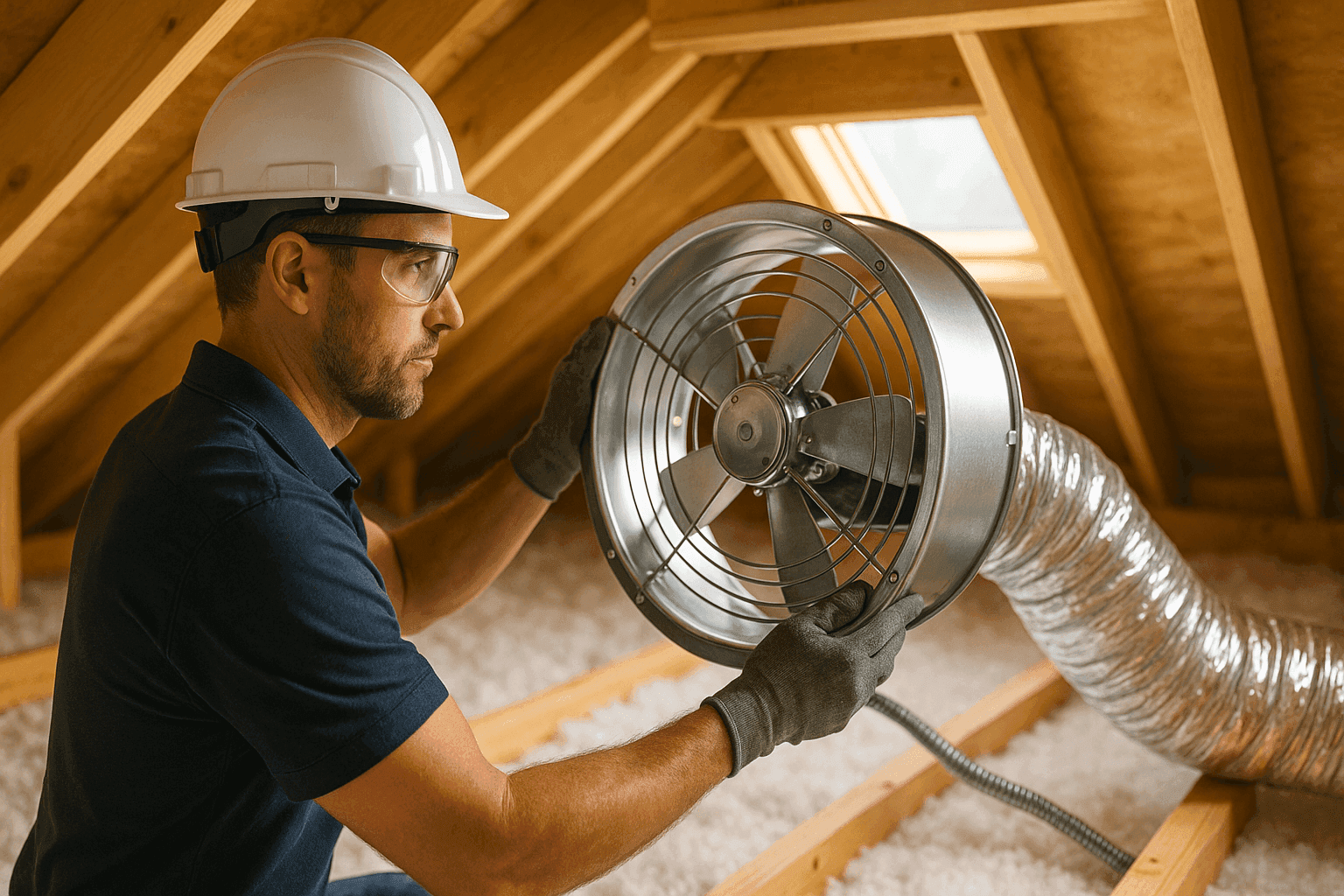
- The fan gets installed in your attic, usually above a central hallway.
- When you switch it on, windows are opened throughout your home.
- The fan draws in cooler outside air, flushing heat up and out through attic vents.
- Within minutes, the temperature drops, and the air feels lighter.
Whole-house fans work best when the air outside is cooler than inside—think early mornings or evenings. In dry climates or mild summer regions, they can handle most of the season’s cooling needs. Even in hotter, stickier climates, they offer fast relief at a fraction of the energy cost of running an AC all night.
Energy Savings: The Numbers Behind the Breeze
Running an air conditioner is like keeping a refrigerator door open to cool your house—effective but expensive. A whole-house fan uses a fraction of the energy. According to the U.S. Department of Energy, whole-house fans typically cost just 10–15% as much to operate as central air conditioning.
This means:
- Lower utility bills, especially during peak summer months.
- Less strain on your main HVAC system, which can help it last longer.
- Improved indoor air quality from frequent air exchanges.
Think of a whole-house fan as a gentle giant—quiet, efficient, and powerful enough to refresh an entire building, not just one room.
The Installation Process: What to Expect
Installing a whole-house fan isn’t complicated, but getting it right matters. At Jewel Heating, we treat each home and business as unique, and our 24/7 emergency HVAC service means we’re ready when you need us most.
Here’s what our installation process looks like:
- Site assessment: We inspect your attic, check for adequate venting, and make sure the electrical system is up to code (see National Electrical Code guidelines for attic installations).
- Fan selection: We help you pick the right size and style for your space—oversized fans waste energy, too small won’t cool efficiently.
- Attic prep: Clear space, ensure insulation is protected, and verify your attic is free of obstructions.
- Installation: We cut a precise opening, mount the fan securely, and seal gaps to prevent air leaks.
- Electrical hookup: Wiring is completed according to local safety codes.
- Testing: We run the fan, check airflow, and show you how to operate it safely.
For commercial spaces or larger homes, our technicians sometimes recommend multiple fans or advanced controls. We always follow manufacturer specs and local building codes.
Maintenance: Keeping the Air Flowing
Like any piece of equipment, a whole-house fan needs some attention to keep it running like new.
Here’s how you can keep yours in top shape:
- Dust and clean blades every few months.
- Check attic vents for blockages—birds, leaves, or insulation can clog airflow.
- Inspect wiring for wear or loose connections.
- Listen for odd noises—rattling or squeaking often means it’s time for service.
Jewel Heating offers routine HVAC maintenance, so you can add whole-house fan checkups to your seasonal to-do list. Regular care keeps your air fresh and your fan efficient.
Whole-House Fans vs. Traditional AC: Which is Right for You?
It’s not always an either/or decision. Some homes use both.
Whole-house fans excel when:
- Nights and mornings are cooler than afternoons.
- You want quick relief during a heat wave without blasting the AC.
- Your climate is dry or you live in areas with significant temperature swings.
Traditional air conditioning is necessary when:
- It’s hot and humid around the clock.
- Allergens or outdoor pollution make open windows impractical.
- You need precise humidity control or have sensitive equipment.
Combining both: In many U.S. regions—including the Midwest, Pacific Northwest, and Mountain states—a whole-house fan can handle spring and fall, while AC covers the hottest days. In the Southeast or Southwest, fans can pre-cool the house in the morning and evening, letting you minimize AC use during peak rates.
How Jewel Heating Installs Whole-House Fans
We’re not just about tools and wires. Our team listens first—to your needs, your home’s quirks, and your comfort goals.
Here’s what our clients say:
"Jewel Heating installed our whole-house fan during a record-breaking heat wave. Our AC hardly runs at night now. The difference is dramatic."
— Louise, Residential Customer
"Fast, clean, and professional. The install was finished in half a day, and the crew explained every step."
— Mark, Commercial Facility Owner
You want to trust the folks in your attic. Our technicians are trained, certified, and ready for both planned installations and those urgent, emergency HVAC calls.
Practical Tips for Using Whole-House Fans
- Open enough windows: A few inches in each room prevents backdrafts and maximizes airflow.
- Run the fan at sunset or early morning: That’s when outside air is coolest.
- Close windows and fan by mid-morning: Once the day heats up, seal your home to keep cool air inside.
- Check attic insulation: Proper insulation keeps heat from radiating back down.
Local and Seasonal Considerations 🌎
Not every region is the same. Here’s how whole-house fans stack up around the U.S.:
- Pacific Northwest & Northeast: Cool nights, mild summers—ideal for whole-house fans.
- Midwest: Great during shoulder seasons; combine with AC on muggy days.
- Mountain West: High elevation means quick temperature drops at night—perfect for whole-house fans.
- Southeast & Gulf Coast: High humidity can limit effectiveness, but fans are still useful for quick air exchanges and off-peak times.
- Desert Southwest: Dry air and big day-night temperature swings make fans extremely effective.
During record-breaking summer heat waves, fans can supplement your main HVAC, giving your AC a break and extending its life.
Safety Checklist: Before You Flip the Switch
- Ensure attic vents are clear and unobstructed.
- Confirm windows are open in occupied rooms.
- Never operate the fan with closed windows (risk of negative pressure).
- Check that fan louvers open and close freely.
- Follow all manufacturer and local electrical safety guidelines.
DIY vs. Call a Pro
Some handy homeowners tackle fan installation themselves. But even a small mistake—like poor wiring or improper venting—can lead to noise, drafts, or fire hazards. Professional installation ensures everything is up to local code, safe, and efficient.
If you’re not sure, Jewel Heating is just a call away. We handle planning, permits, and all the heavy lifting.
What Our Pros Do On Arrival
Our technicians:
- Confirm attic access and safe working conditions.
- Measure and mark the best spot for the fan.
- Protect your floors and furniture.
- Install, wire, and test the fan, then walk you through operation.
- Clean up thoroughly—no attic dust left behind.
Prevention & Maintenance
Stay ahead of issues by:
- Scheduling yearly inspections (especially before summer).
- Listening for changes in fan noise—squeaks signal worn bearings.
- Keeping attic vents open and clean.
- Checking for dust buildup, which can reduce airflow.
A little routine care can add years to your fan’s life.
Costs & Time Factors
Whole-house fans are an affordable investment. While exact costs depend on home size, fan model, and attic accessibility, most installations take half a day to a full day.
What affects time and cost?
- Attic access: Tight spaces take longer.
- Electrical upgrades: Older homes may need new wiring.
- Home size: Bigger buildings need larger or multiple fans.
Compared to central AC installation, fans are budget-friendly—both for upfront costs and ongoing operation.
When It’s an Emergency
If your main AC fails during a heat wave, a whole-house fan can provide lifesaving relief while you wait for repairs. Our emergency HVAC team at Jewel Heating responds around the clock, installing temporary or permanent solutions to keep your family or business safe and comfortable.
FAQ
Q: Can a whole-house fan replace my AC?
A: In some climates, yes. If your nights are cool, a fan may be all you need for most of the year. In hotter, humid areas, fans and AC often work together.
Q: Are whole-house fans noisy?
A: Modern fans are much quieter than older models. Jewel Heating installs insulated, low-noise units designed for both homes and offices.
Q: Is it safe to leave the fan running overnight?
A: It’s generally safe if you have enough windows open and your attic is properly vented. But always follow manufacturer instructions and local codes.
Q: Can I install a fan in a multi-story building?
A: Yes, but you may need multiple units or a custom setup. Our team can assess and recommend the right solution.
The Bottom Line: Cool, Fresh, and Efficient
Whole-house fans offer a simpler way to stay comfortable, lower your bills, and protect your main HVAC system. Whether you’re a homeowner, property manager, or business owner, Jewel Heating is ready to help you find the perfect solution. Our approach is local, thoughtful, and always focused on your needs—especially when it matters most.
Call Jewel Heating now — or reach us anytime at 888-865-9429 .